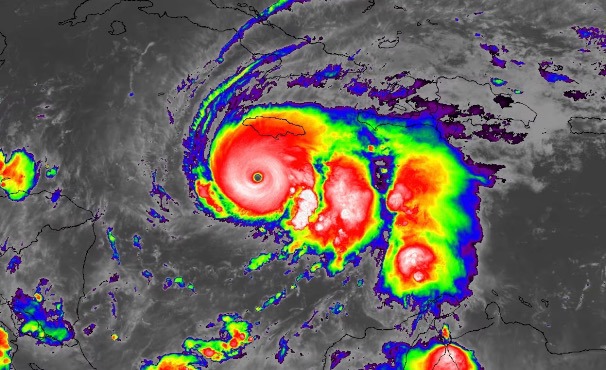
Hurricane Melissa's immense power has placed the hurricane in very exclusive company.
With sustained winds of 281km/h, Melissa is now one of the strongest hurricanes, based on top wind speeds, on record in the Atlantic basin.
Only nine Atlantic hurricanes have been stronger than Melissa, though several others have also hit 281km/h strength.
READ MORE: Two dead after mine explosion near regional town
READ MORE: Pauline Hanson changes party name as polling support surges
Hurricane Allen from 1980 still holds the title as the basin's strongest storm with 305 km/h winds.
Melissa is also one of the strongest hurricanes to ever in the Caribbean Sea, only behind Allen, 2005's Wilma, 1998's Mitch, and 1988's Gilbert. Gilbert was the last major hurricane to directly strike Jamaica.
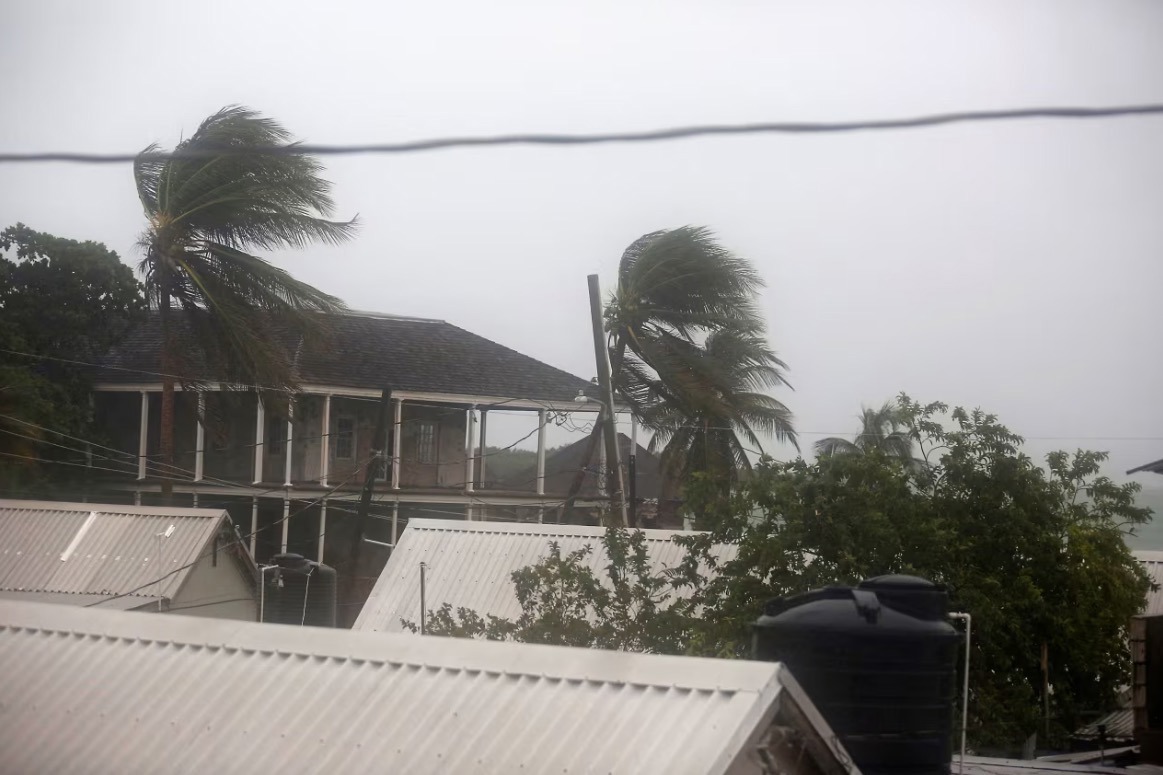
Up to 1016mm of rain, 13 feet of storm surge, and 257km/h sustained winds will cause "extensive infrastructure damage" that will cut off communities, the National Hurricane Center warned.
Jamaica's Minister of Labour and Social Security Pearnel Charles said Monday that the evacuation orders issued for vulnerable areas are not a suggestion, but a "directive to save your life," as the country confronts "extreme devastation and danger" posed by Hurricane Melissa.
"It (Melissa) is very slow, it is very, very, very intense. And that means the outcome may potentially be extreme devastation and danger," Charles told CNN's Derek Van Dam.
The minister also said that buses are being used to transport people in need to emergency shelters across the country.
"If you are in a low-lying, flood-prone area, now is the time to take no chances and not to gamble," he said.
United Nations staff are preparing to deploy to Cuba and Jamaica this week.
The UN's Office for the Coordination of Humanitarian Affairs (OCHA) said Monday that it is planning to send in personnel, "as conditions allow, to reinforce coordination and preparedness efforts across the region."
"OCHA and its partners are supporting authorities ahead of further impact," the office said in a statement.
After Jamaica, Melissa is still expected to be a major hurricane when it roars over eastern Cuba with damaging winds, storm surge, and potentially catastrophic flooding.
Hurricane Melissa is not forecast to hit the United States.
A strong cold front tracking into the East will act as an atmospheric brick wall of protection along the US coastline.
Wet and windy conditions from the front will spread into the East Coast tomorrow and Thursday.
READ MORE: The real reason Trump is dancing around a touchy subject
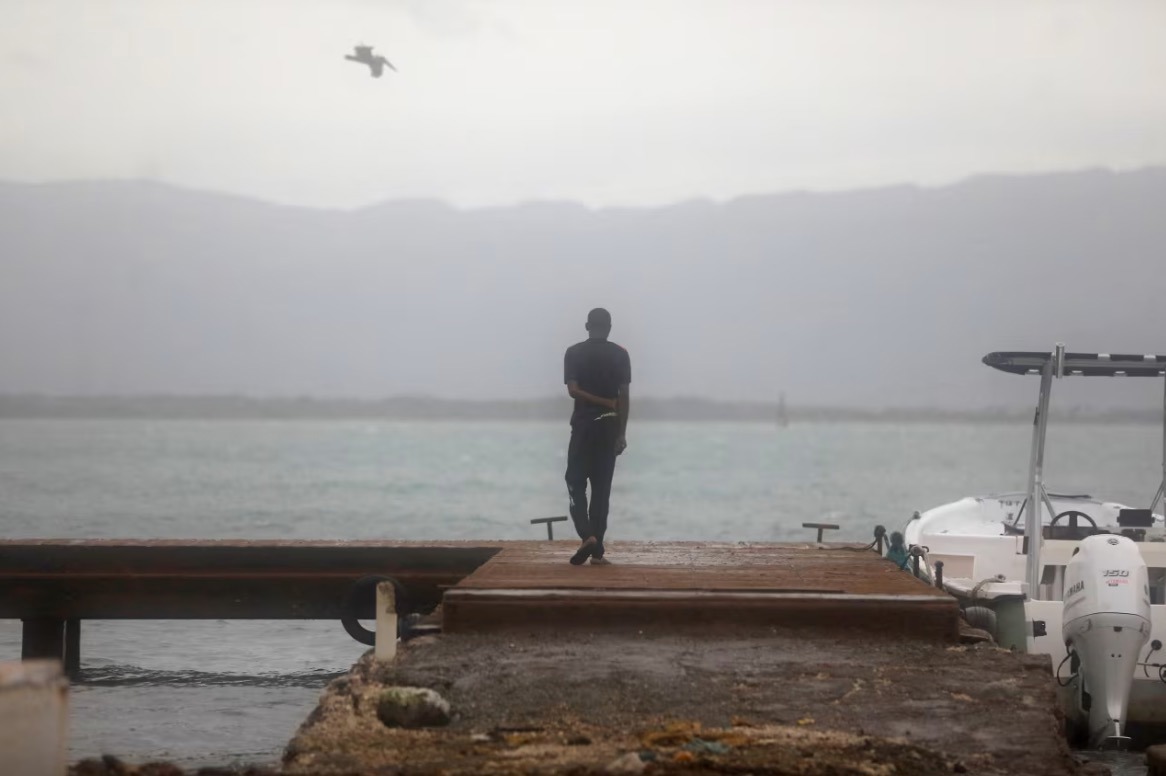
Cold fronts like this are more frequent toward the end of hurricane season, but they don't always offer protection.
Storms that track farther north and west in the Caribbean than Melissa can sometimes get drawn up by them and be sent toward the eastern Gulf Coast, most often Florida.
While Melissa won't hit the US directly, it will still churn up some rough seas and increase the risk of dangerous rip currents along the East Coast.
Those impacts will begin tomorrow when Melissa crosses into the Atlantic, and will continue through at least the weekend.
DOWNLOAD THE 9NEWS APP: Stay across all the latest in breaking news, sport, politics and the weather via our news app and get notifications sent straight to your smartphone. Available on the Apple App Store and Google Play.
