US medicines 'blackmail' slammed amid fears Australia is next
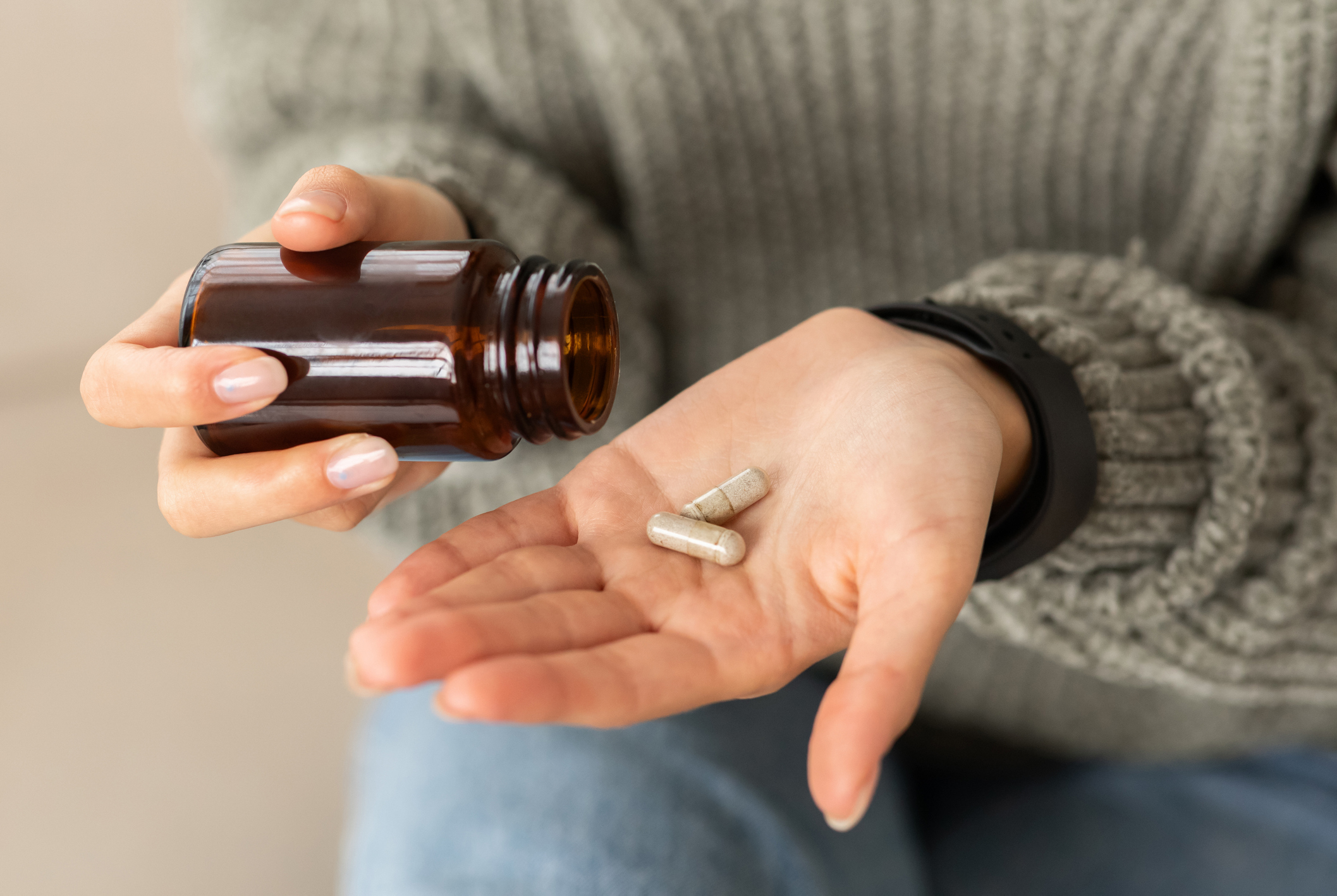
9NewsThe federal government has vowed the Pharmaceutical Benefits Scheme is not up for negotiation after it was revealed the UK agreed to a huge spending increase on US medicines in exchange for the removal of tariffs.
Under the US-UK agreement, the UK will be granted zero per cent tariffs on pharmaceutical exports to the US, and will boost its spending on US medicines by 25 per cent.
It's the first major increase in National Health Service spending in more than 20 years.
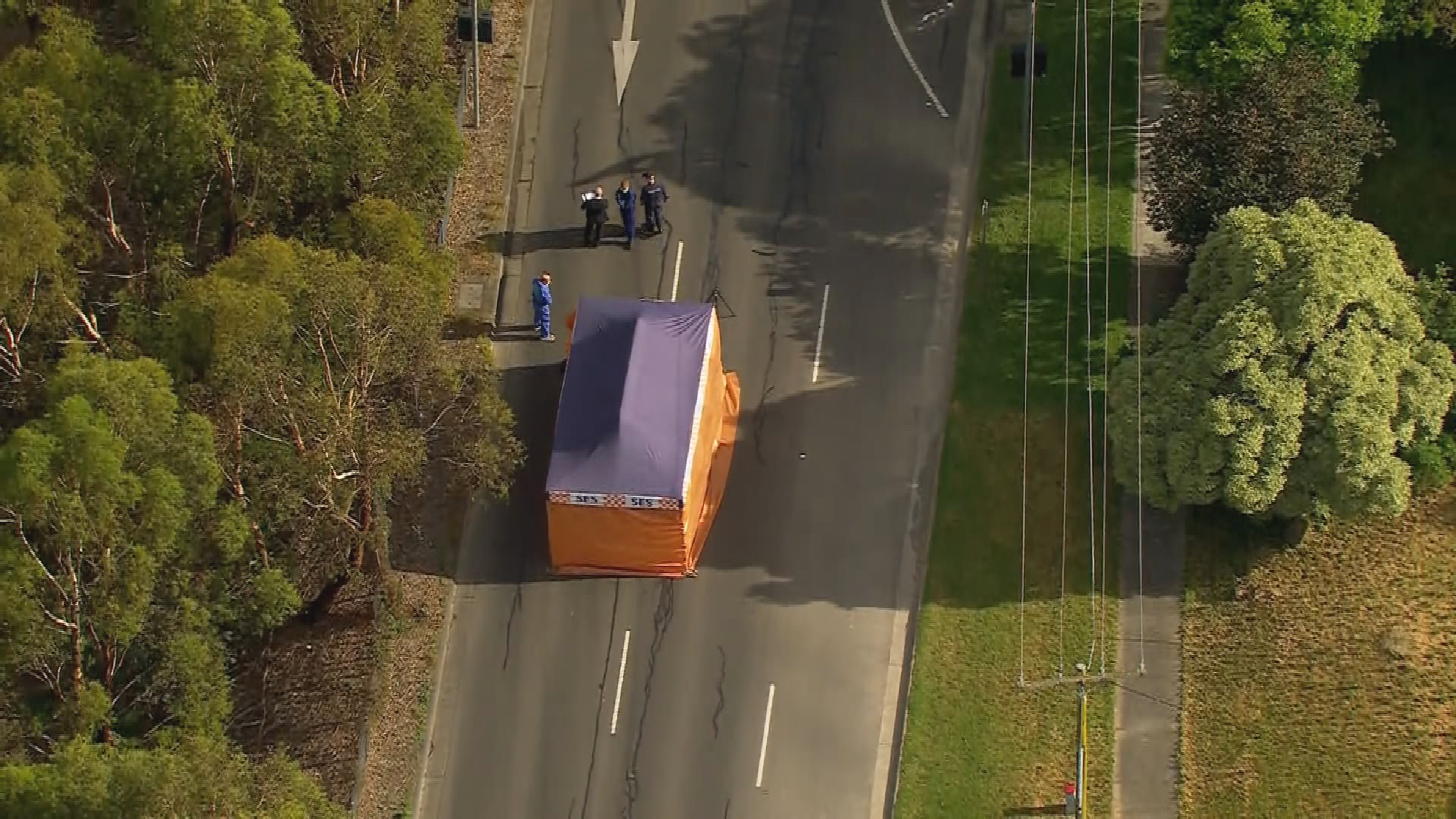
READ MORE: Firefighter killed in NSW bushfire zone
But there are fears the increased spending will ultimately be passed on to the taxpayer.
The Albanese government has committed to capping the price of prescriptions on the Pharmaceutical Benefits Scheme at a maximum of $25 from January 1 next year - the lowest since 2004.
Now, there are calls to ensure any deal that Australia may reach with the US does not push up prices at home.
READ MORE: Council's crackdown on popular Christmas beach party
"The Australian government should keep its promise that the PBS will continue provide access medicines at affordable prices and will continue to regulate the wholesale price of medicines," Australian Fair Trade and Investment Network convenor Dr Patricia Ranald said.
"The Australian government should not agree to a 25 per cent rise in the wholesale price of medicines as the British government appears to have done.
"This is simply enriching pharmaceutical companies who are already amongst the most profitable in the world, and will put unacceptable pressures on Australia's health budget."
READ MORE: Chernobyl shield can't confine radiation after drone strike, watchdog says
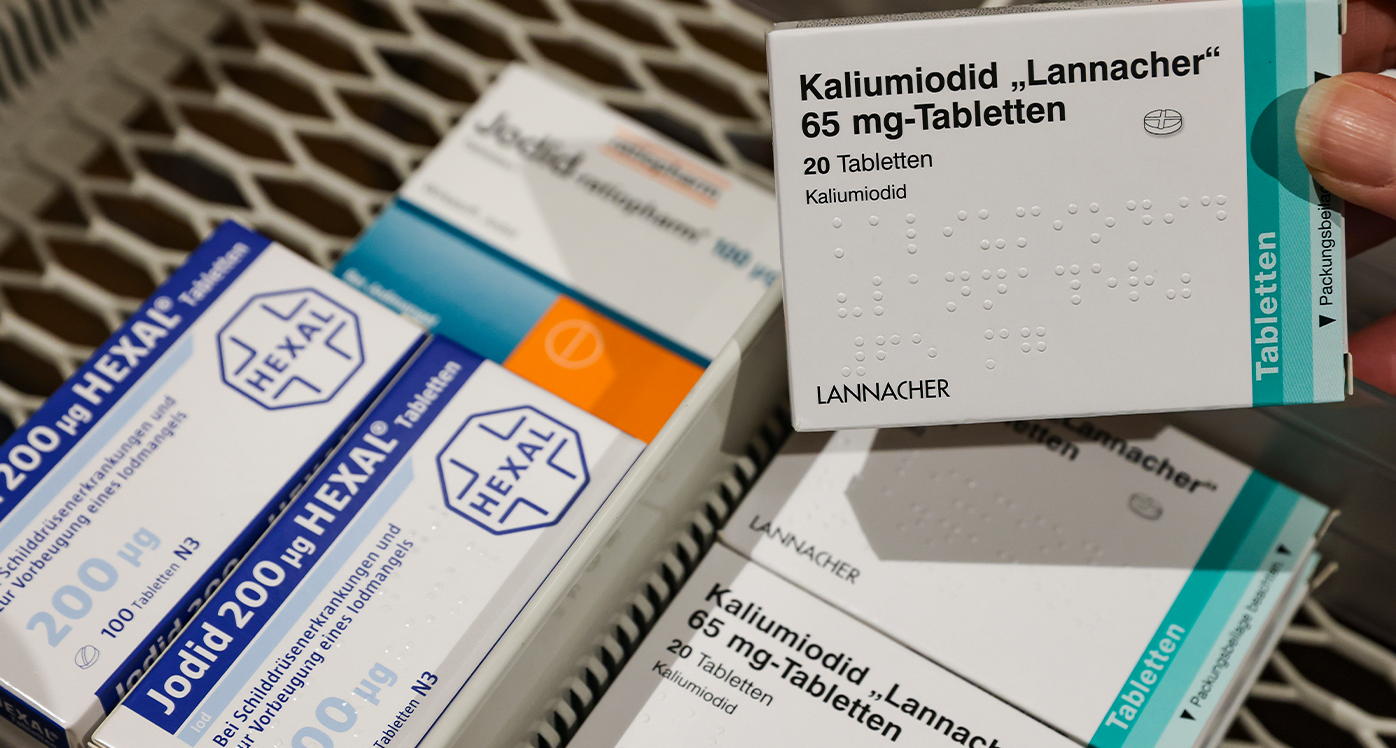
UK officials have said the 25 per cent spending increase would focus on approving medicines that deliver significant health improvements but might have previously been declined purely on cost-effectiveness grounds, including breakthrough cancer treatments or therapies for rare diseases.
The Trump administration has since the start of the year claimed US citizens are subsidising less expensive lifestyles in countries with whom the US trades, and has wielded tariffs as a bargaining tool to extract promises of increased overseas investment, with mixed results.
When it comes to medicines at least, Ranald said this claim was "simply a lie".
"The truth is that the US is the only advanced industrialised country which does not have a system to regulate the wholesale price of medicines," she said.
"US Pharmaceutical companies charge high wholesale prices which are then passed on to consumers, and many people without private health insurance cannot afford medicines.
"The US government and pharmaceutical companies are using tariff threats to force other governments to raise wholesale prices to the US level."
She urged the federal government to stand against any "bullying blackmail".
A spokesperson for Trade Minister Don Farrell said the government would continue to advocate for the remove of all tariffs on Australian imports to the US, in line with the existing free trade agreement.
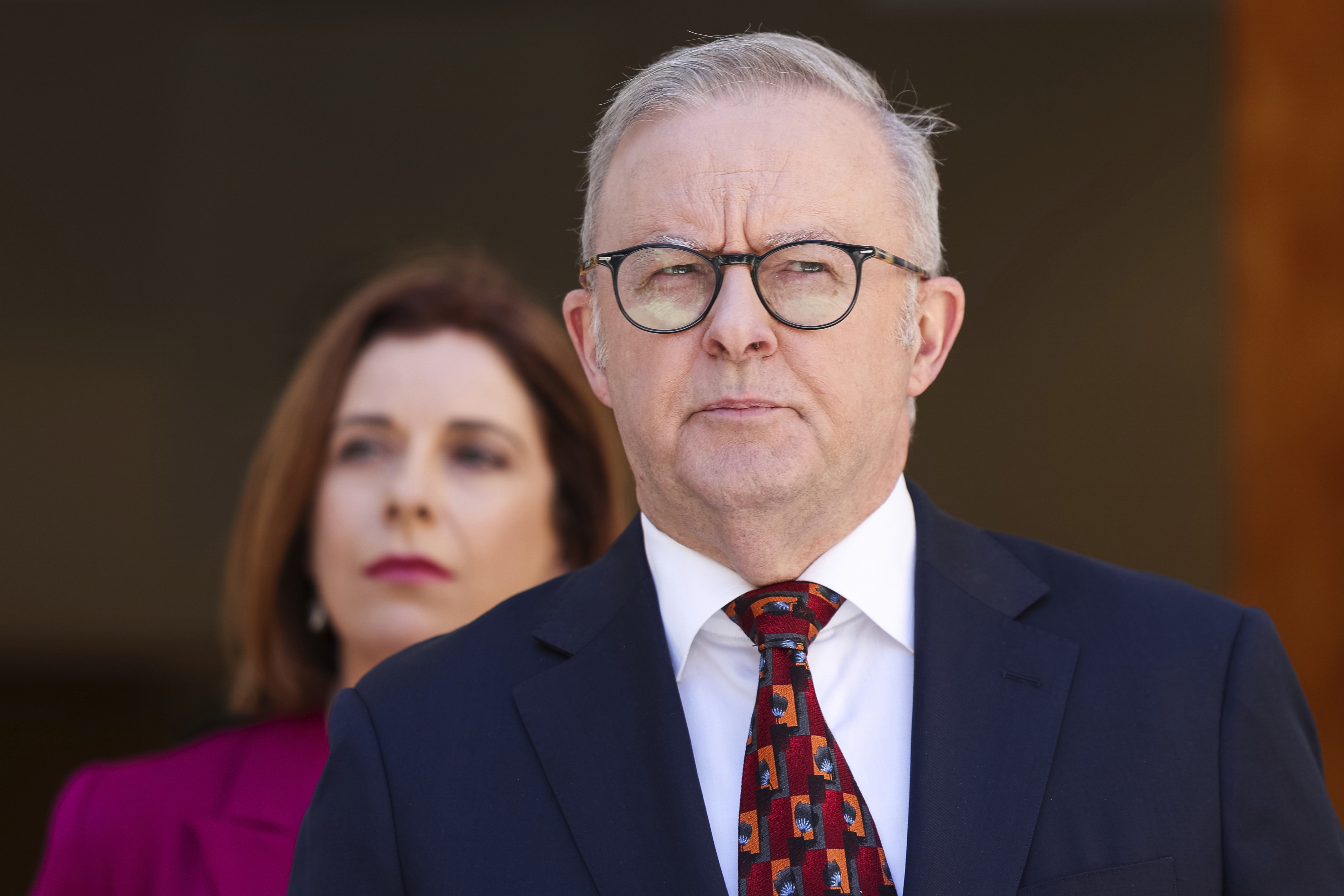
"We have made it clear the Albanese Government will never negotiate on the design of the PBS," Farrell said.
"The PBS has delivered Australians good health outcomes at good prices. Under the Albanese Government, we're absolutely confident the PBS will continue to deliver for Australians.
"We will continue to engage with the US Administration to protect Australian interests."
DOWNLOAD THE 9NEWS APP: Stay across all the latest in breaking news, sport, politics and the weather via our news app and get notifications sent straight to your smartphone. Available on the Apple App Store and Google Play.