One Nation leader Pauline Hanson says her party will oppose the federal government's capital gains tax reforms, claiming it will leave younger Australians worse off.
In a Facebook post today, she says negative gearing - under which homeowners were able to deduct a net loss from a residential investment property from their overall income, thereby reducing their yearly tax bill - should be allowed for a maximum of two homes for everyone.
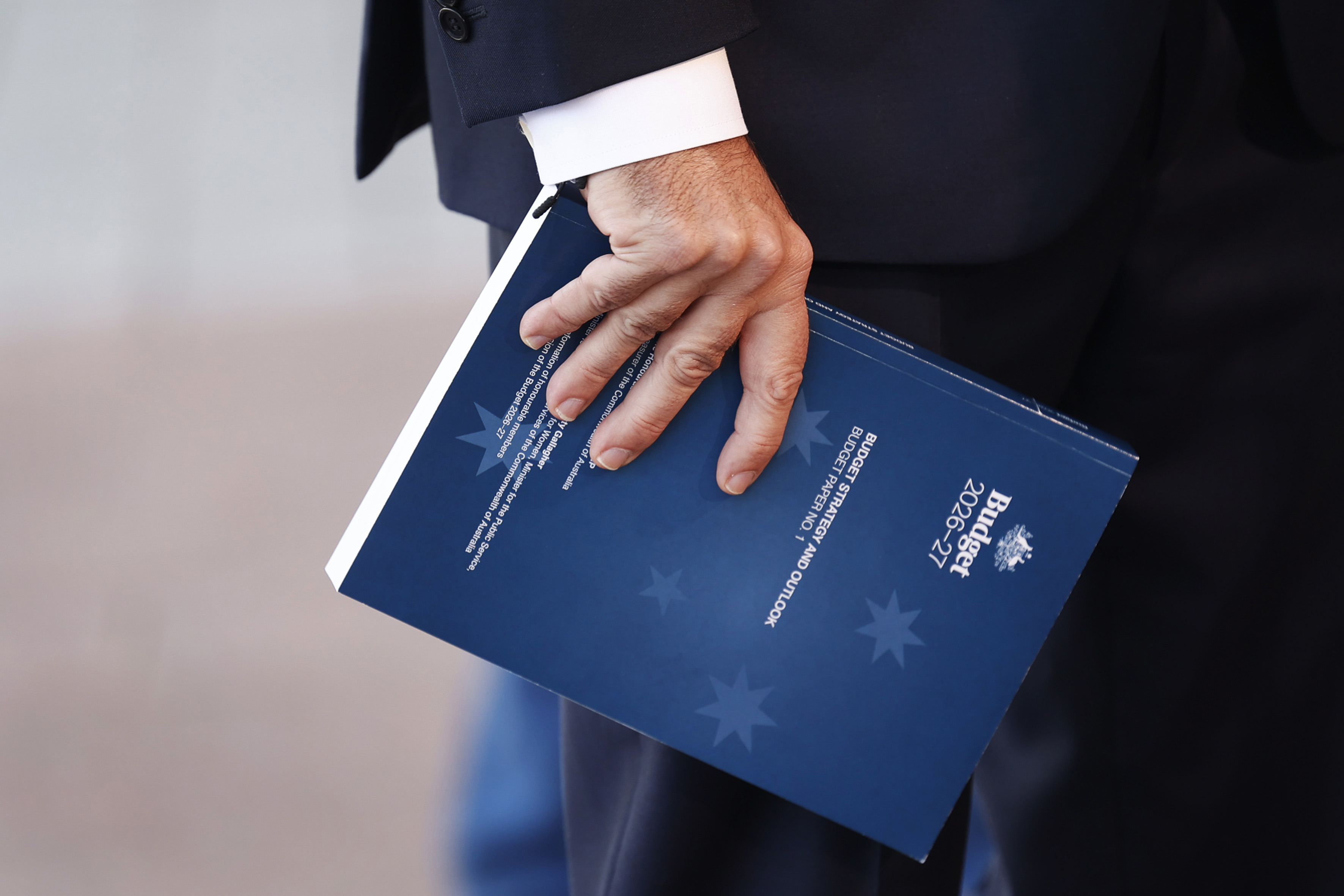
Treasurer Jim Chalmers announced in this month's federal budget the tax concession for property investors would be wound back from next July as part of major tax overhauls.
READ MORE: Hesitant' home buyers spooked by tax changes, rate hikes and global tension
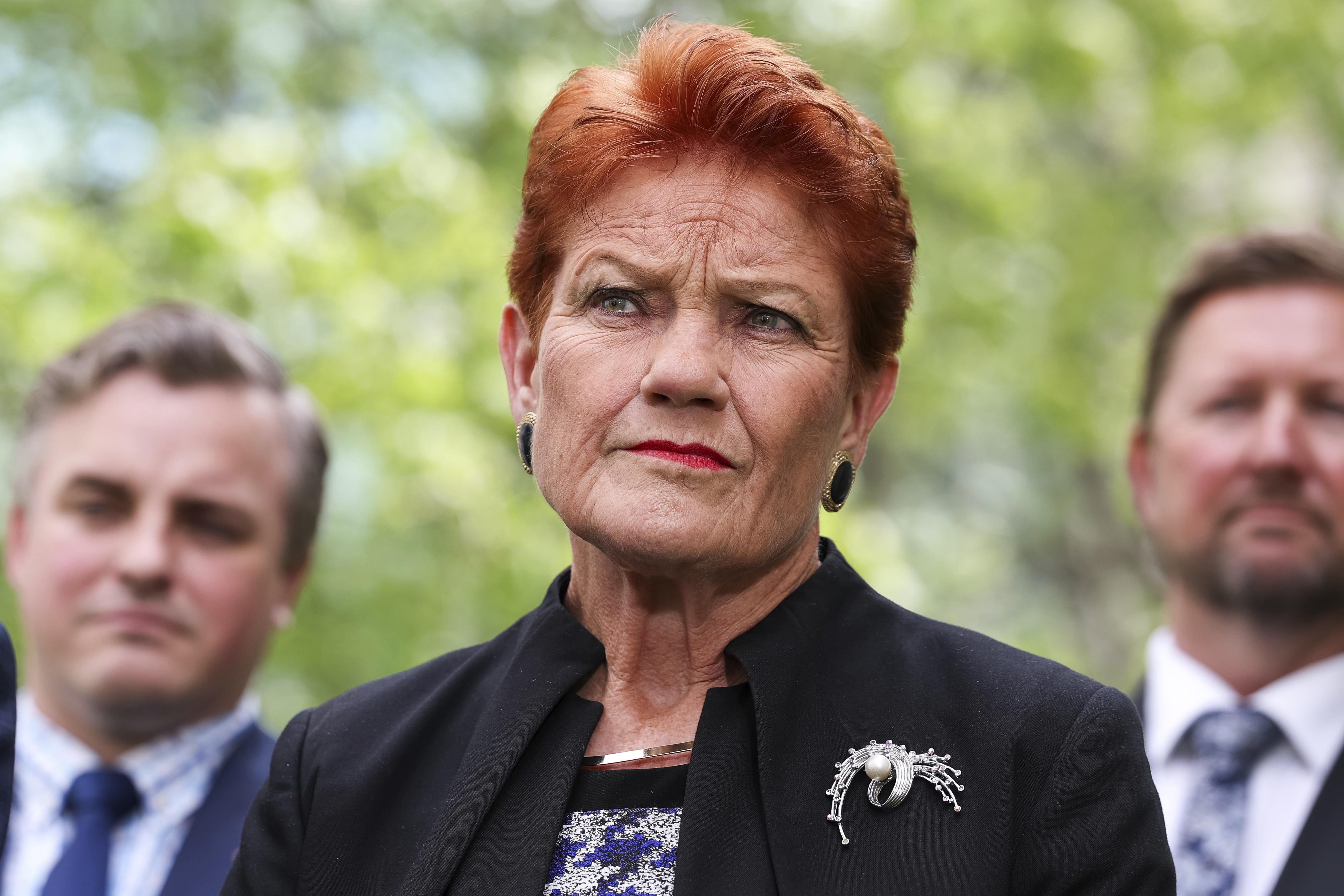
The government claims it will help younger Australians gain a foothold on the property ladder, but Hanson says it will have the opposite effect.
"The Labor government claims to be helping the younger generation, yet they're taking away an investment strategy that has been used by generations before them."
"We completely oppose the changes to CGT."
From July 2027, negative gearing will only apply to new build homes, superannuation funds and those who purchased their properties prior to budget night.
One Nation has witnessed a record rise in support in the polls, largely due to the cost-of-living crisis. It is also attracting more younger people voters.
The populist party has ridden a wave of support to win seven new state MPs at the South Australian election before its stunning victory in the Farrer federal byelection.
Labor's changes will likely sail through the House of Representatives, where they hold the majority, but they will need either the Greens or the Coalition to pass the Senate.
Opposition Leader Angus Taylor has already vowed to fight the changes and, if elected, repeal them.
Labor to consult all businesses on tax reform amid criticism
The federal government will consult all businesses, not just tech start-ups as was initially suggested, on its proposed tax reform.
Prime Minister Anthony Albanese confirmed broad consultation would take place as he outlined the process of how the capital gains tax and negative gearing changes would be introduced to parliament.
"Treasury are going about consulting not just in tech, but consulting COSBOA, for example, ACCI, the Tech Council," he told reporters earlier this week.
READ MORE: MP's WhatsApp account hacked by foreign power
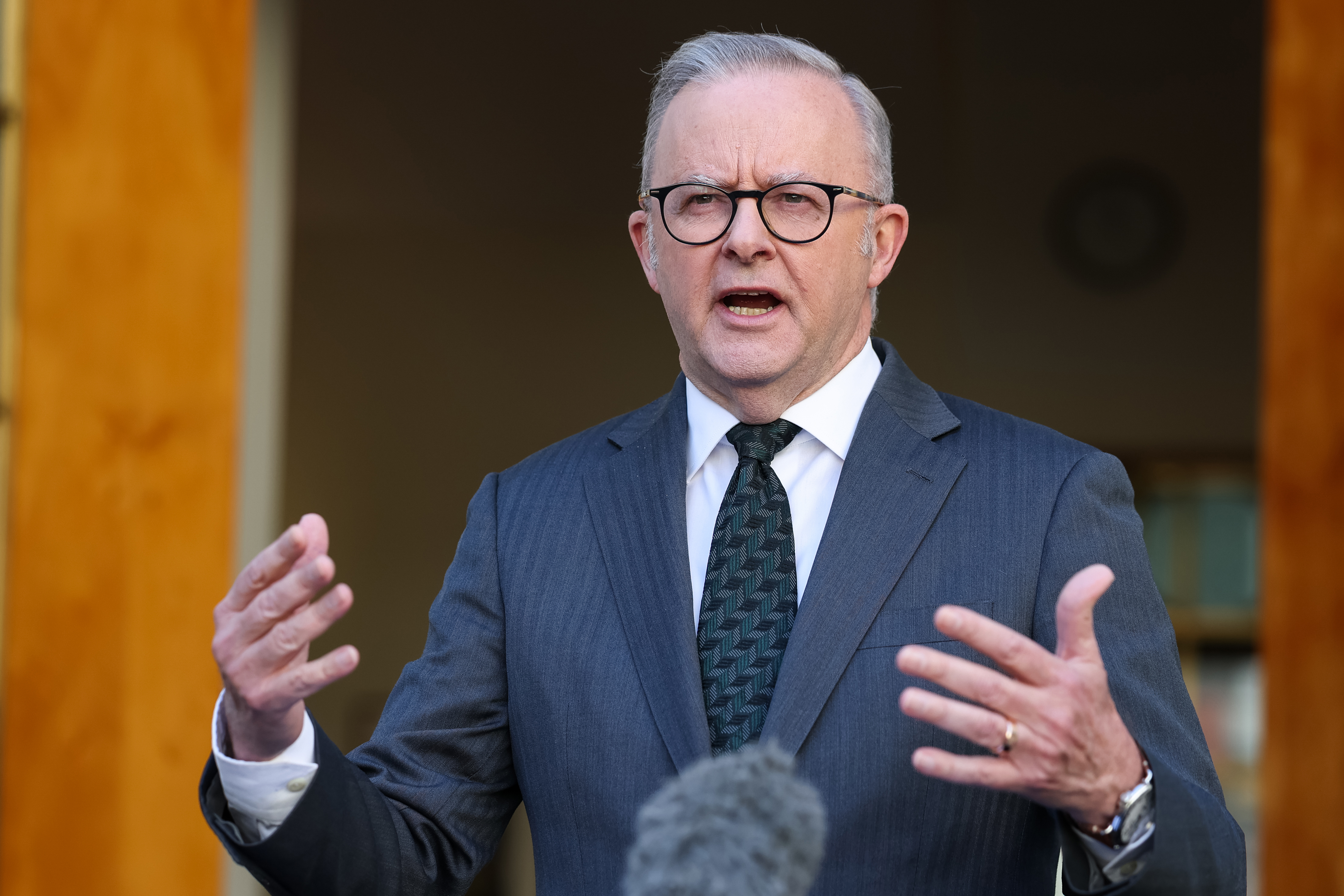
"There'll be a policy position paper for consultation produced as well after the first round of consultations. That was all foreshadowed there on budget night."
The legislation is set to go before parliament on Thursday and will tie the tax reform to the tax cuts and $1000 standard deduction the government promised workers.
It will be debated and then go before the Senate in June.
Then, following a period of consultation, the government will introduce a second piece of legislation that contains the details of how the reforms will be implemented.
Albanese said it was the normal process and consultation couldn't occur before the proposed reforms were announced.
"If you go back and have a look at tax reform and the way that it's been implemented, this is the normal way," he said.
READ MORE: Corruption watchdog boss Paul Brereton resigns
"When you are doing changes to tax policy, that begins on budget night.
"What you cannot do is go out there and sit down with people and say from budget night, this change is definitely going to occur in detail, because there are implications of that. That's called insider knowledge.
"Because changes are dated from, in capital gains and from negative gearing from budget night, that is why you can't have the level of consultation that you want to see people coming forward in a common-sense way."
The government has been fielding criticisms from businesses who say they will be swept up in tax changes meant to address intergenerational inequity in the housing market.