NSW is looking down the barrel of at least one more week in lockdown, while the rest of the nation is set for easing restrictions.
While no announcements have been made, the NSW Premier has indicated a third lockdown extension is nearly a certainty.
States and territories continue to implement extra precautions to prevent the virus from seeping out of NSW.
Western Australia has tightened its exemptions for returning travellers and Victoria has now closed its border to NSW and the ACT, with the entire region becoming a "red zone".
The Northern Territory and Queensland are also considering further restrictions for NSW travellers, urging residents to return home as soon as possible.
Here is the latest state-by-state rundown on border restrictions and lockdowns.
NEW SOUTH WALES
A strict stay-at-home order is currently in place for the Greater Sydney region with tougher rules now in place around outdoor exercise, essential shopping and funerals.
Restrictions include;
- Outdoor gatherings limited to two people (excluding members of same household)
- Exercise and outdoor recreation restricted to local government area or within 10km radius
- No browsing in shops; only one person per household per day can leave the house for shopping
- Funerals limited to 10 people (from Sunday)
Anyone living in the Greater Sydney region - or the Blue Mountains, the Central Coast, Wollongong or Shellharbour - is currently subject to a stay-at-home order until Friday, July 16.
The state recorded 89 new cases today, 21 of whom were active in the community while still infectious.
"When we get that number of at least 21 people who have been infectious in the community as close to zero as possible, is when we will be able to exit lockdown," Premier Gladys Berejiklian said.
Residents are only able to leave their homes for essential reasons including grocery shopping, exercise, receiving medical care and essential work and education that cannot be done from home.
Authorities have also hinted at further restrictions being introduced for areas outside Greater Sydney after a case of COVID-19 was detected in Goulburn, south of Sydney.
"We look at the data day by day," Chief Health Officer Dr Kerry Chant said.
In regional NSW, only five visitors are allowed at a home at once, a 20 person limit applies to gyms, and singing and dancing at indoor venues is not permitted.
Masks are also mandatory.
Dancing is allowed at weddings for the bridal party only (no more than 20 people) and a maximum of 100 people are allowed at funerals.
Here's a full breakdown of what you can and can't do in NSW.
Service NSW QR codes now mandatory at all workplaces and retail businesses to aid contact tracers with a rapidly growing list of exposure sites across the city.
In addition, NSW has introduced new travel rules for anyone arriving from the Northern Territory, Queensland or Western Australia.
Anyone travelling to NSW who has been in those areas in the previous 14 days must complete a declaration form.
VICTORIA
Victoria has closed its border to NSW and the ACT, with the entire region becoming a "red zone".
Travellers from NSW and the ACT are not be permitted to travel to Victoria, with some exceptions.
A raft of coronavirus restrictions have been eased in Melbourne, bringing the city in line with regional Victoria.
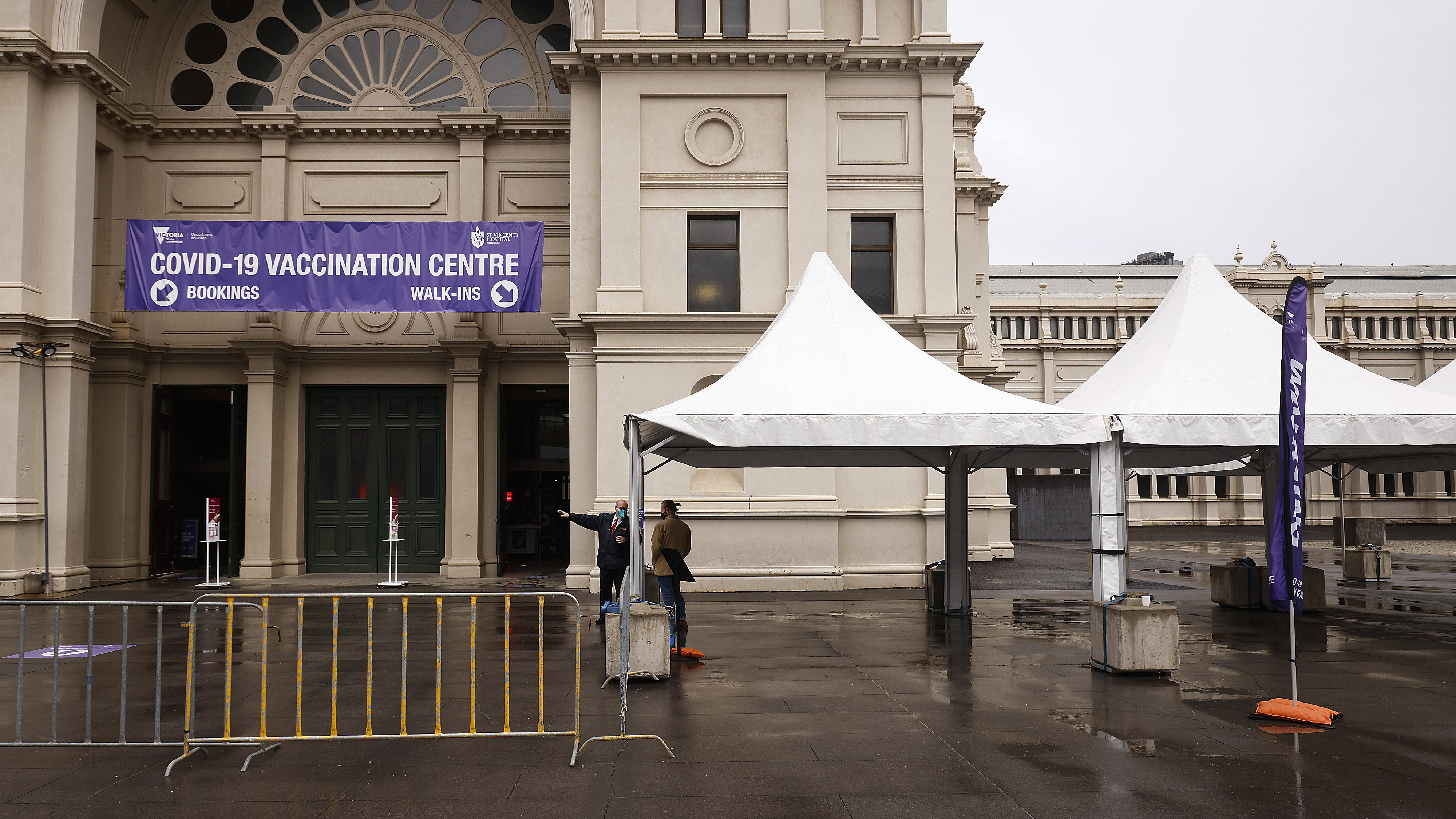
Masks are still be required to be worn in indoor, public-facing settings.
However, are no longer required at schools for students and staff, or at workplaces if you do not interact with the public, for example, if you work in an office or a factory.
A range of venues have moved to a one-person-per-2-square-metre capacity limit with no overarching caps, including: hospitality, gyms, physical recreations venues, community facilities, creative studios and places of worship - providing a COVID check-in marshal is on-site.
Dance floors can return with a 50-person limit, providing a COVID check-in marshal is present.
Crowd numbers will increase at approved public events, with outdoor stadiums able to welcome 75 per cent of its capacity - up to 40,000 people.
Indoor stadiums can open to 75 per cent of capacity, with a limit of up to 7500 people.
Capacity at theatres has also been expanded to 75 per cent, with a limit of up to 2000 people.
Private household gatherings will be kept at 15 visitors per day, Health Minister Martin Foley said.
Under the state's current border restrictions:
- New South Wales and the ACT are red zones
- The Queensland Local Government Areas of Brisbane, Moreton Bay and Sunshine Coast are orange zones
Perth and Peel in WA and Darwin and Alice Springs in the NT have now moved to green zones with no quarantine or testing requirements in place.
A red zone classification means people are banned from entering Victoria unless they are Victorian residents who are willing to quarantine for 14 days.
All arrivals into Victoria must apply for a travel permit even if they are entering from a green zone.
Exceptions and exemptions are listed on Victoria's travel permit website.
QUEENSLAND
Queensland's lockdown has ended however mask mandates still remain in place for affected LGAs.
Residents must wear a face covering at public indoor settings including aged care facilities, hospitals and supermarkets.
In addition to domestic restrictions, anyone who has visited Greater Sydney is also subject to the stay-at-home order currently in place in NSW.
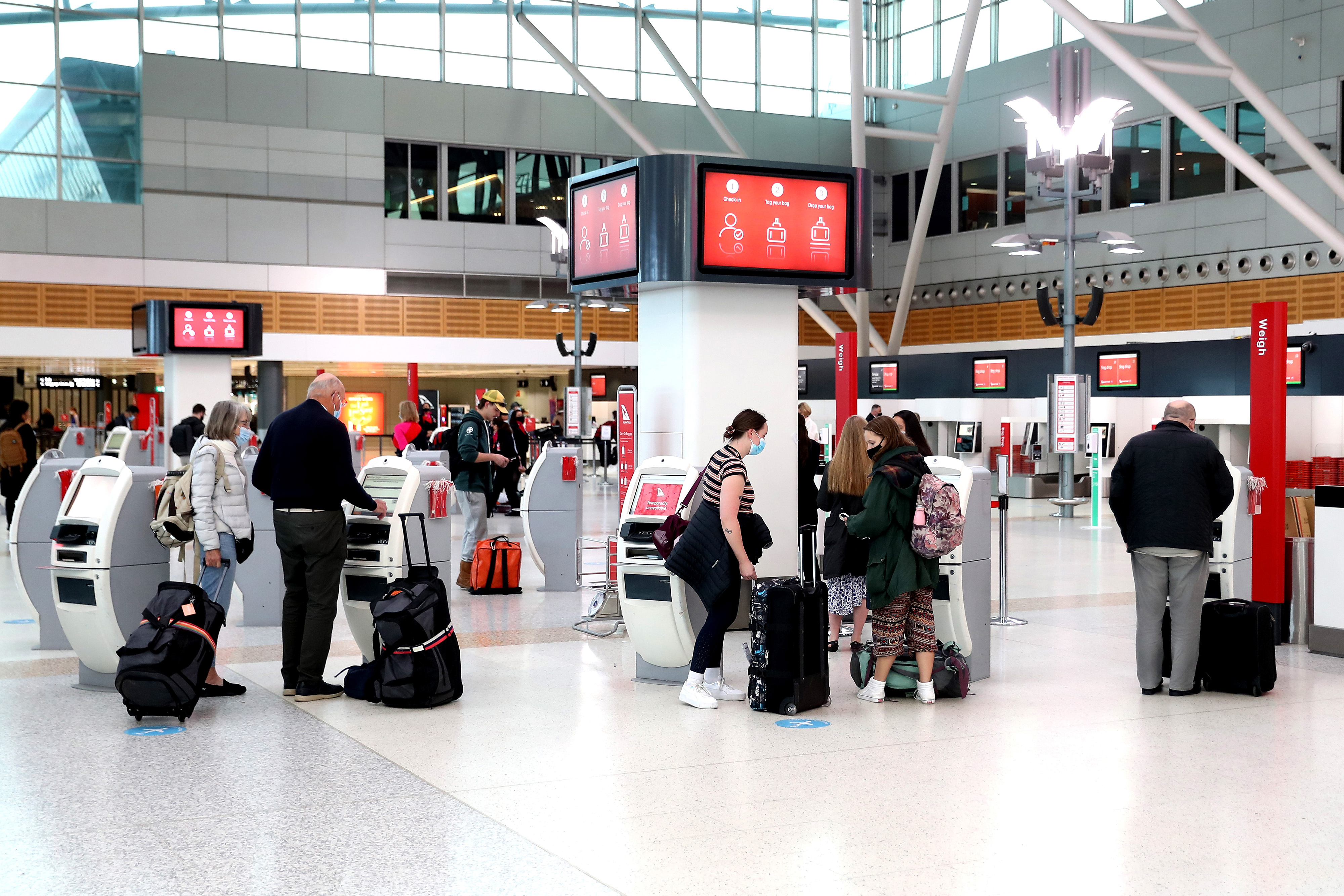
The LGAs of Waverley, Woollahra, Randwick and the City of Sydney have also been declared a COVID-19 hotspot, backdated to June 11.
Anyone who has been in these LGAs will not be allowed to enter Queensland, unless they are a returning Queensland resident or have an exemption.
Anyone allowed to enter will need to go into hotel quarantine for a period of two weeks.
SOUTH AUSTRALIA
South Australia will be easing some restrictions with Queensland from midnight Friday, Premier Steven Marshall confirmed.
The state has also removed any testing or quarantine requirements for interstate arrivals from the Northern Territory or Western Australia.
Mr Marshall said there are no immediate plans to ease restrictions with NSW or the ACT while case numbers remain high.
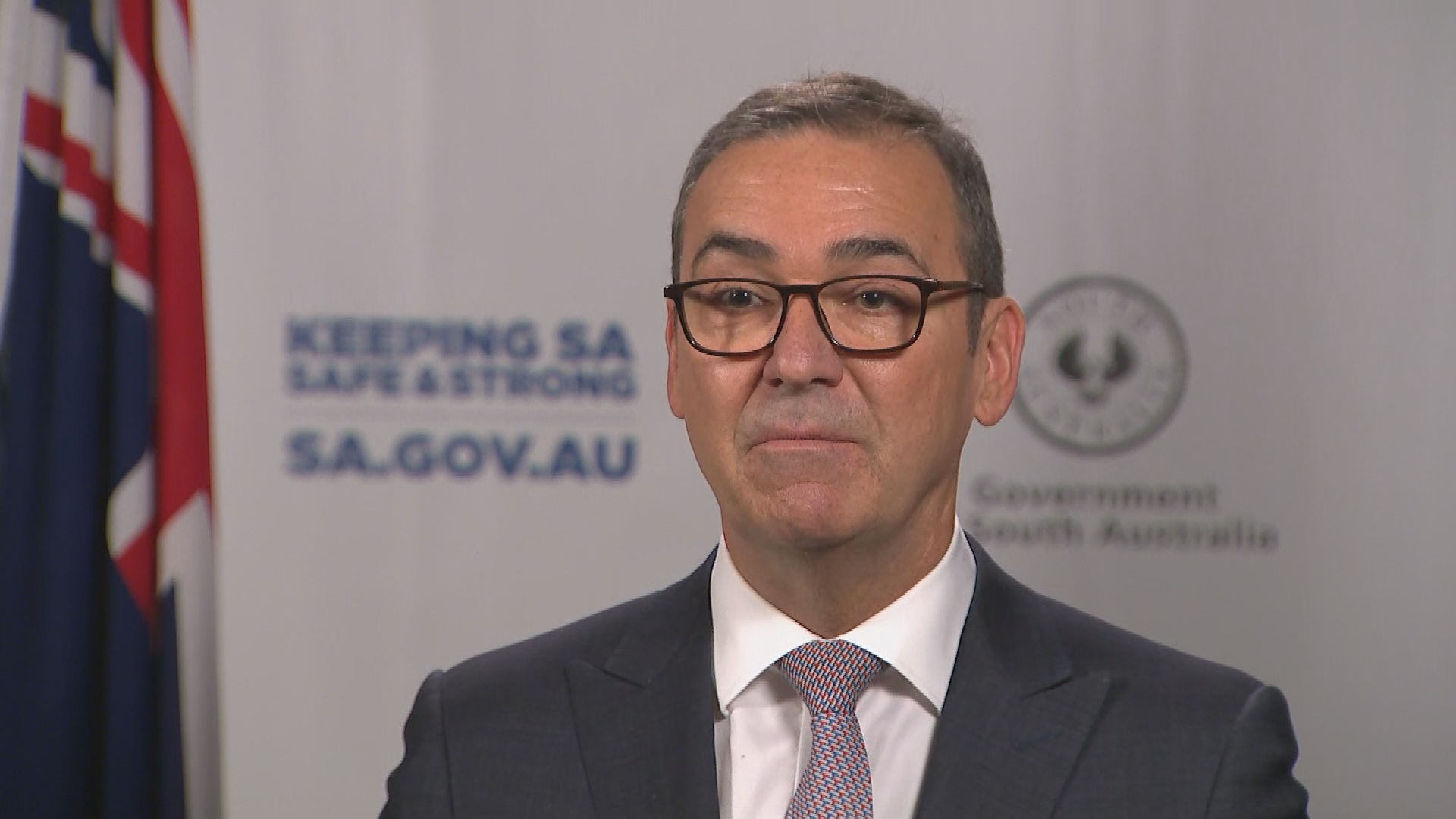
"We are still very concerned about the situation in NSW with 89 new local cases detected today," Mr Marshall said.
Restrictions for South Australia more broadly include:
- The total number of people at any place must not exceed three people per four square metres
- Physical distancing, or social distancing principles apply
- Every person should attempt to stay at least 1.5 metres from other members of the public. However, this does not apply to people who live together, who are friends or family members, or people who regularly associate with each other
- For places of worship, masks must be worn when capacity exceeds 75 per cent of normal occupancy, if capacity is at or below 75 per cent, no masks are required
- Masks are no longer required in health care, residential care, disability support, aged care and personal care services
NORTHERN TERRITORY
All remaining restrictions have been lifted for Greater Darwin and Alice Springs.
Border restrictions remain in place with most states however Brisbane has now been removed as a declared COVID-19 hotspot.
Hotspot declarations will remain in place for Greater Sydney and several other NSW LGAs, and NT Health Minister Natasha Fyles warned that this could soon expand.
She said if Northern Territory residents were currently in regional NSW, "now is the time to come back".
"The Chief Health Officer is watching very closely and won't hesitate to act," she said.
She said authorities were very worried about the potential of COVID-19 spreading into regional NSW.
A full list of travel requirements can be found on the NT Health website.
WESTERN AUSTRALIA
Western Australia has tightened its borders even further with NSW, limiting exemptions for people hoping to cross the border including returning WA residents.
Under the previous border regulations, exempt travellers were allowed to enter WA from NSW, including people on compassionate grounds.
But the state government said travellers would now need to show "extenuating circumstances" to enter WA.
For returning WA residents, it means there is no guaranteed right of entry.
The Perth and Peel regions have returned to normal after the lifting of the last post-lockdown restrictions.
There are no more mask requirements and an end to a limit on crowds. Service restrictions have been axed, along with the cap on hospital or aged care visits
Dancing is back on the cards and major events can return to the state. Group classes at gyms have also been freed from the two-square-metre rule and WA has opened its border to the Northern Territory, but New South Wales and Queensland remain blocked off.
There are still exposure sites listed on the WA Health website where people must get tested and monitor for symptoms.
ACT
Face masks are no longer required in public settings within the ACT.
Masks will remain mandatory at the airport, and for anybody under a stay-at-home order when out in the community.
Stay-at-home orders have been extended for people coming to the ACT from Greater Sydney, Blue Mountains, Central Coast, Wollongong and Shellharbour in line with NSW health orders.
This stay-at-home requirement will be in place until at least 11.59pm on Friday, July 16.
The ACT has declared NSW, the NT, Queensland, Victoria, South Australia, Western Australia, New Zealand, and flight arrivals as areas of concern.
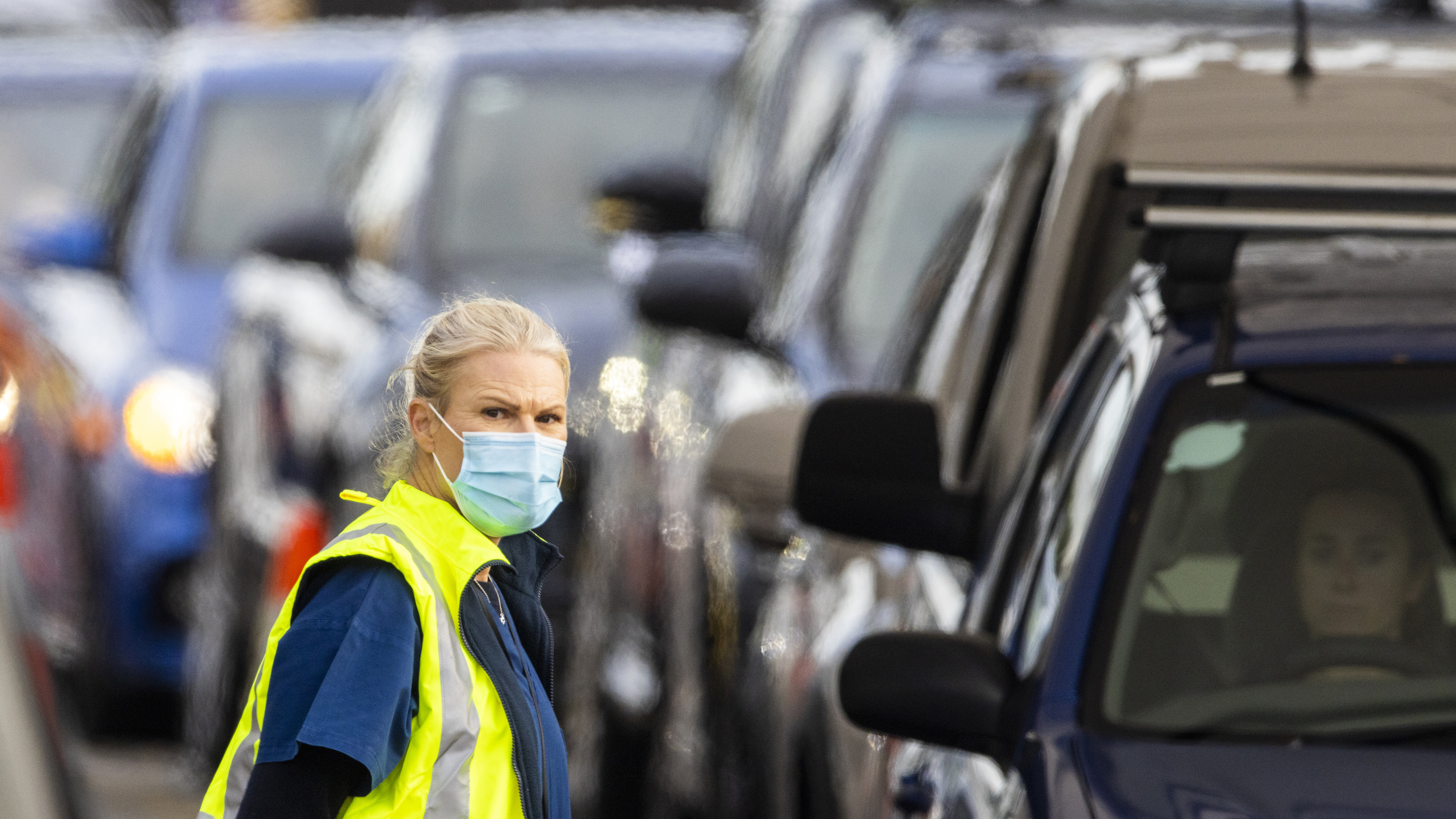
Non-ACT residents who have been in the Greater Sydney, Central Coast, Blue Mountains, Wollongong and Shellharbour regions of NSW are not permitted to travel into the ACT unless they have an approved exemption.
The same restrictions apply to people in the NT and Queensland who have visited listed exposure sites.
In addition, anyone hoping to travel from Victoria into the ACT will need to complete an online declaration form within 24 hours prior to arrival.
TASMANIA
From 2pm AEST July 5, Tasmania will remove the high risk declaration for Western Australia and the Northern Territory.
The lifting means people from those areas can travel to Tasmania without quarantining.
There are still specific premises in WA and the NT which are considered high risk.
Most NSW residents are restricted from entering Tasmania unless approved as an essential traveller.
The state has also closed its borders to Greater Darwin and most of Greater Sydney.
Anyone who has been in any of the NSW LGAs listed as high-risk on or since June 21 have been told to isolate immediately and arrange a COVID-19 test.
"You need to be tested at least five days after you left the high-risk LGA and will be able to leave isolation if you receive a negative result," the health department said in its latest alert.
Anyone who has visited a high-risk LGA, including returning Tasmanians, is no longer able to enter Tasmania unless approved as an essential traveller.
For the NT, Darwin, Palmerston and Litchfield have also been listed as high risk with travel restrictions now in place.
