US President Donald Trump said that he has accepted an invitation from Chinese leader Xi Jinping to visit Beijing in April and that he reciprocated by inviting Xi for a state visit to the US later next year.
Trump made the announcement on Monday (Tuesday AEDT) after he spoke with Xi by phone nearly a month after the two leaders met in person in South Korea, saying they discussed issues including Ukraine, fentanyl and purchases of American soybeans.
"Our relationship with China is extremely strong!" Trump wrote in a Truth Social post.
READ MORE: Judge throws out cases against two of Trump's political enemies
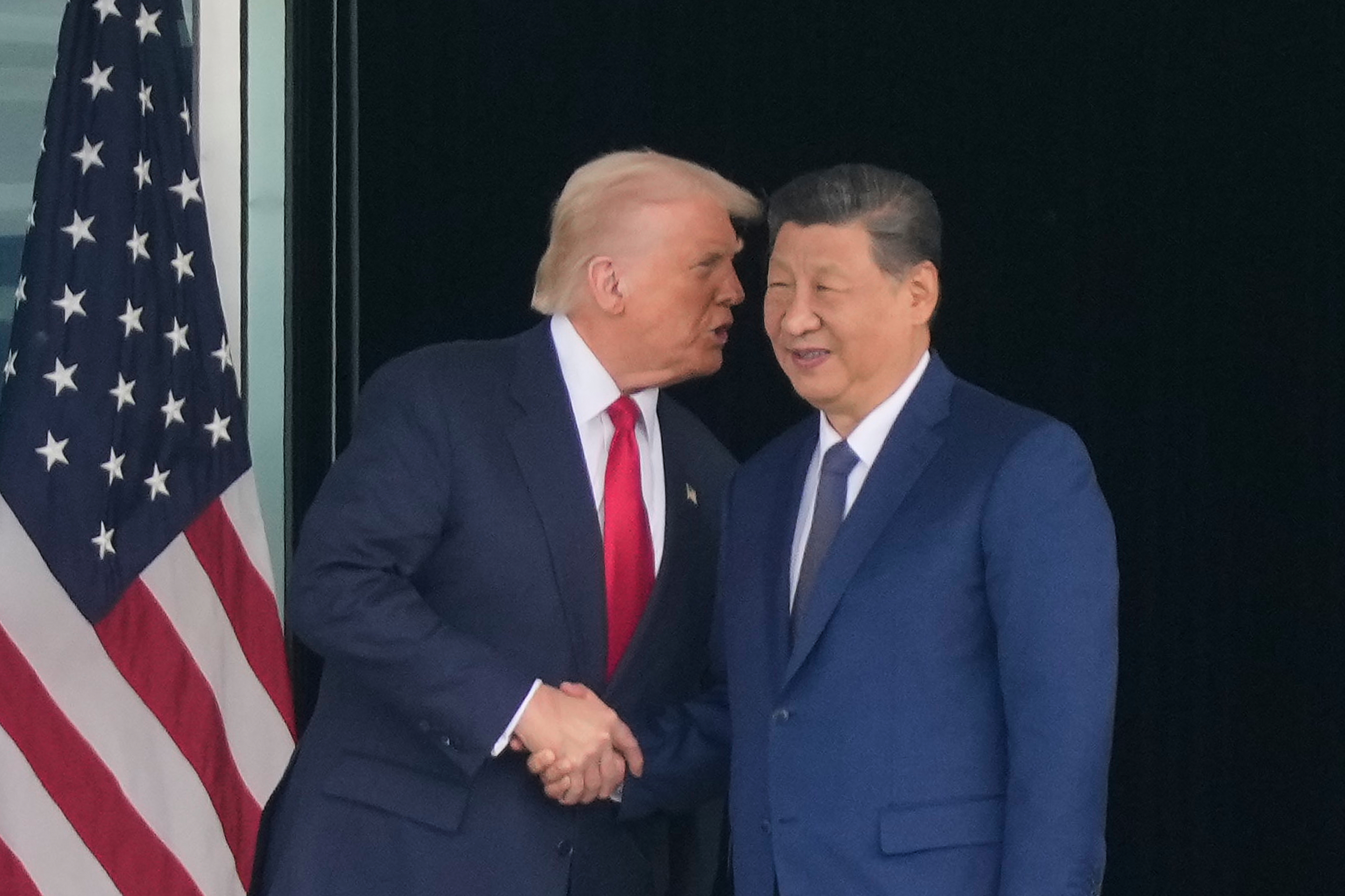
Beijing, which announced the phone call first, said nothing about the state visits but that the two leaders discussed trade, Taiwan and Ukraine.
Xi told Trump that Taiwan's return to mainland China is "an integral part of the postwar international order" and expressed hope for a "fair, lasting and binding peace agreement" in Ukraine, according to the Chinese Foreign Ministry.
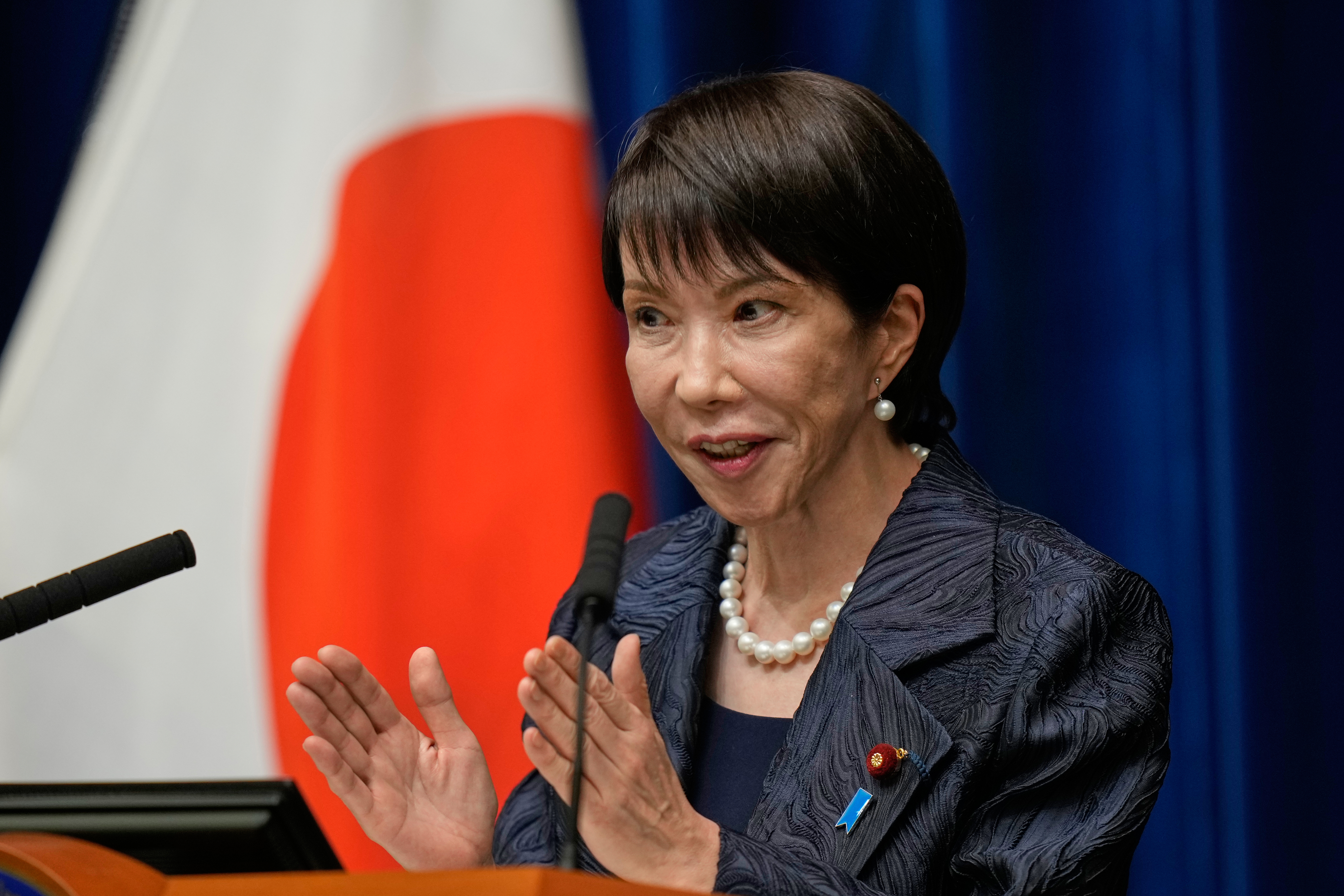
The conversation coincided with the latest push by the Trump administration to end the war in Ukraine and as China-Japan relations have plunged to a new low following recent remarks from Japanese Prime Minister Sanae Takaichi.
She said the military in Japan, a key US ally, could get involved if China were to take action against Taiwan, the self-governing island that Beijing says must come under its rule.
"My best guess is China is worried about the escalation (in tensions) with Japan. The reference to Taiwan and the post-World War II order directly points to the spat with Japan over Taiwan," said Sun Yun, director of the China program at the US-based think tank Stimson Centre.
READ MORE: 'Slender man' stabber back in custody after disappearance in US
China's relations with Japan sour
Beijing has denounced Takaichi's remarks, with Chinese Foreign Minister Wang Yi saying over the weekend that Japan "crossed a red line that should not have been touched."
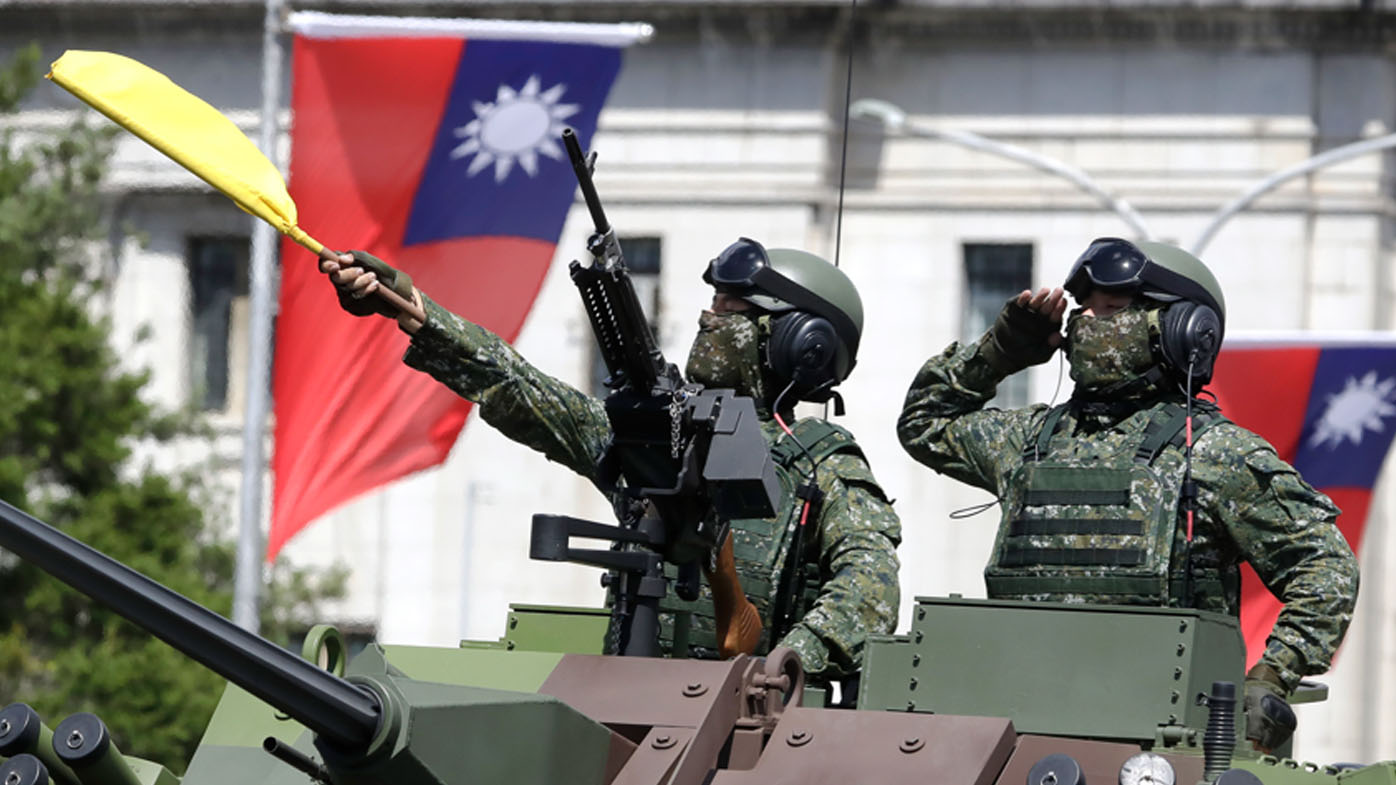
Xi told Trump on Monday that China and the US should "jointly safeguard the victory of World War II" after they fought together against fascism. The US has taken no side on the sovereignty of the self-governed island but is opposed to the use of force to seize Taiwan. It is obligated by a domestic law to provide sufficient hardware to the island to deter any armed attack.
Trump has maintained strategic ambiguity about whether he would send US troops in case of a war in the Taiwan Strait. His administration has urged Taiwan to increase its defence budget.
Taiwan's foreign ministry said it received official notification this month that the Trump administration approved $US330 million in arms sales to Taiwan, including fighter jet parts. Beijing immediately protested, saying it "grossly violated" the so-called "One China" principle, by which Beijing considers Taiwan to be part of Chinese territory.
Xi told Trump that the Ukraine crisis should be resolved "at its root," the Chinese side said. The Chinese leader stressed Beijing's support for "all efforts that are conducive to peace," according to the statement.
However, Western governments have accused Beijing of enabling the war through its industrial support for Moscow.
READ MORE: Reggae giant and The Harder They Come movie star Jimmy Cliff dead at 81
Trump and Xi discussed trade
Trump said on social media that he spoke with Xi about "Fentanyl, Soybeans and other Farm Products, etc."
"We have done a good, and very important, deal for our Great Farmers — and it will only get better," Trump wrote.
Since he met Xi in South Korea in late October, "there has been significant progress on both sides in keeping our agreements current and accurate," Trump said.
Since then, China has ordered nearly 2 million tonnes of American soybeans, ending a months-long boycott, according to data by the US Department of Agriculture. That is still short of the 12 million metric tonnes that the White House said China has agreed to buy before next year.
Beijing also placed export restrictions on 13 "drug-making" chemicals to the US, Canada and Mexico, including those that are used to produce the synthetic opioid blamed for tens of thousands of overdose deaths in the US every year. In return, the Trump administration reduced tariffs on Chinese goods.
In the call, Xi said ties with the U.S. have "generally maintained a steady and positive trajectory" following the leaders' summit and that the two sides should strive to make "more positive progress," according to the Chinese Foreign Ministry.
With the trade dispute easing, Trump wrote, "Now we can set our sights on the big picture."
DOWNLOAD THE 9NEWS APP: Stay across all the latest in breaking news, sport, politics and the weather via our news app and get notifications sent straight to your smartphone. Available on the Apple App Store and Google Play.
