The peak body for road transport says fresh national measures to combat the burgeoning fuel crisis is inadequate and overdue, warning businesses are going under "today".
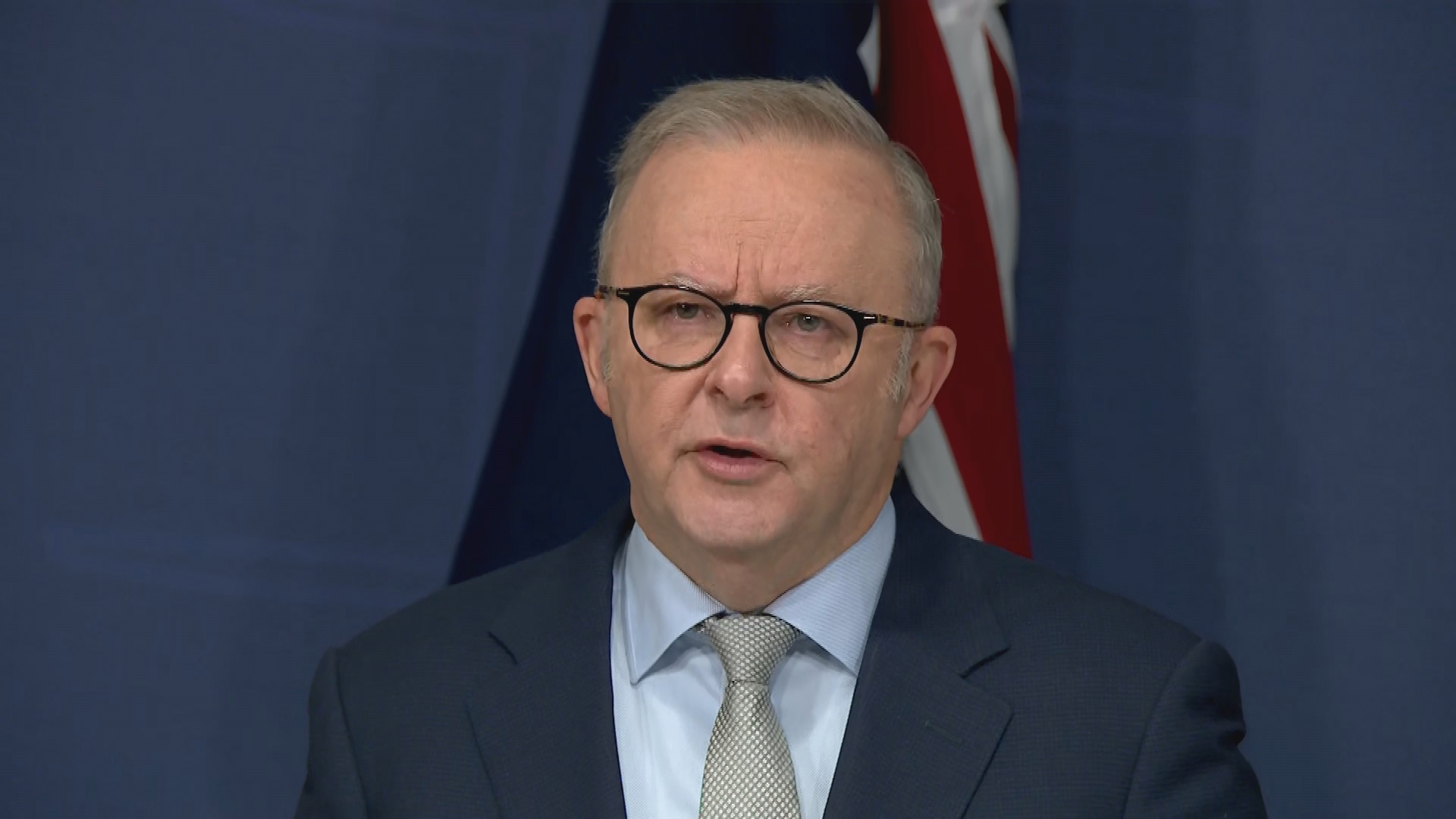
Prime Minister Anthony Albanesetoday announced the government will be granted new powers to help private importers bring more fuel into the nation as the government attempts to curb spiking fuel prices and panic buying.
But Australia's transport industry needs instant relief, National Road Transport Association (NatRoads) chief executive Warren Clark said.
READ MORE: Iran vows to 'exact heavy price' after Israel strikes nuclear sites
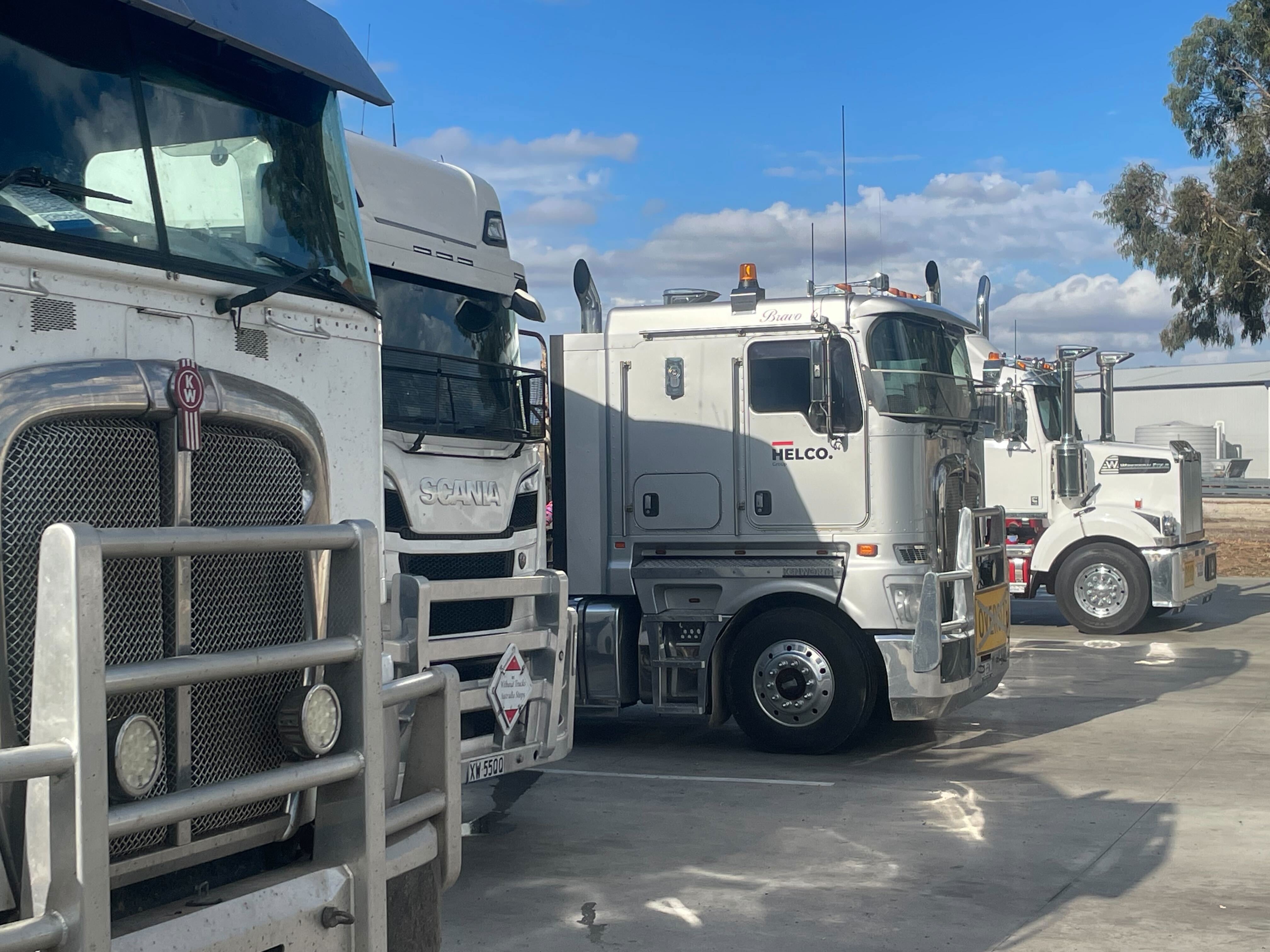
"It's simple, if you don't have the funds to buy fuel – which has doubled in cost for most – or to meet your financial obligations, you're cooked," he said.
Clark urged the Alabanese Government and National Cabinet to urgently introduce more "practical measures" for operators, including emergency financial support payments for transport businesses.
"Even if operators can renegotiate contracts, it will take weeks for payments to catch up," Clark said.
"We're not talking small change here. This month alone we know of operators who have outlaid half a million dollars in cash or more to cover the gap between what their contracts pay and the pump."
NatRoad also wants to see the Road user charge for heavy vehicles canned immediately, and a six-month grace period on loan repayments for heavy vehicle equipment.
"Businesses are going under now — not in weeks, not in months. Today," he said.
"Drivers are having fuel cards declined. Operators are travelling between stations just to find diesel.
"This is happening right now and if we don't see action it will be too late."
Clark said most small to medium operators simply could not survive until Fair Work Changes flowed through
Long-term operators have been forced to stand down staff, park up their trucks and walk away from their businesses, the association said.
READ MORE: Hazardous surf warning in place as NSW coast faces dangerous conditions
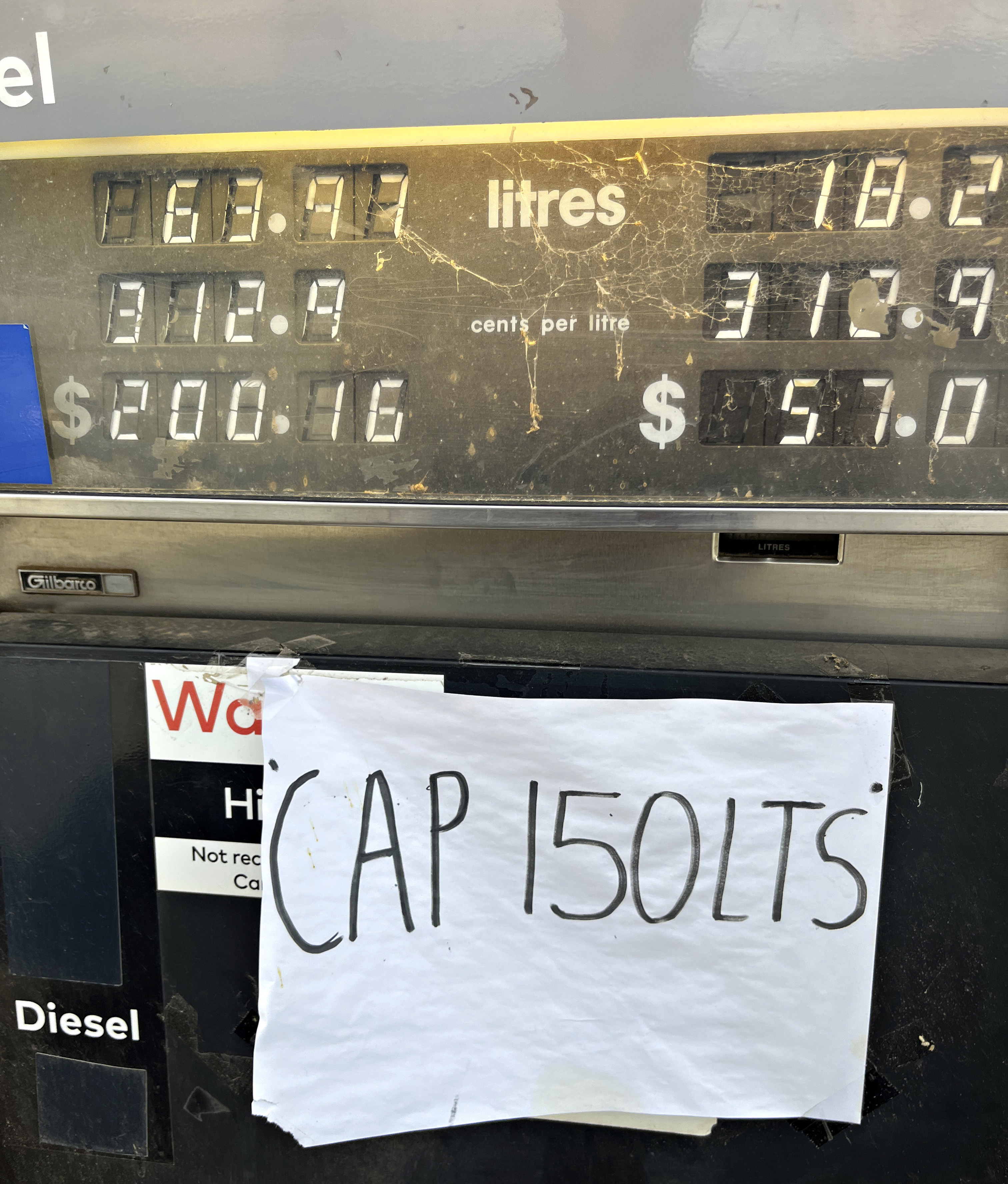
NatRoad is now receiving multiple calls from members daily, desperate for help. Many long term operators have parked up trucks, stood down staff and walked away from their businesses.
The impact of the fuel crisis is only expected to worsen for the industry in coming weeks, when March fuel bills are due.
"When the fuel card bills arrive next month, for many, that will be the end of the road. When trucks stop, Australia stops," he said.
"This will affect us all if we don't act. We need to keep supermarket shelves stocked, construction moving and essential goods flowing."
The federal government's private importer powers are set to come into effect on Monday and will allow the government to use public funds to underwrite the purchase of fuel by the private sector.
The prime minister said it will also allow for the purchase of fertiliser and other essentials.
Albanese said that the government is in talks with local and international fuel suppliers "to help firm up and source new cargoes required to keep Australia moving".
"Put simply, we will use Export Finance Australia to underwrite the purchase of shiploads of fuel that will add to supply here in Australia.
READ MORE: Australia is in the grips of a dire tradie shortage. The fuel crisis is about to make it worse
"This support from the government will not be business as usual."It has to be additional supplies that are available on the international market, and it literally will be underwriting the purchase of shiploads of fuel to get here to Australia.
Minister for Climate Change and Energy Chris Bowen said Australia currently has 1.6 billion litres of petrol, which roughly equates to nine days' worth, which is up "very slightly".
He also said the nation has 2.7 billion litres of diesel, which is approximately one month's worth, and is "pretty flat".
"What that tells me is that while the fuel is flowing strongly out the door, especially to regional Australia."
Australians need to remain prepared as the war in the Middle East escalates, so too will volatile fuel prices, Bowen said.
The Australian Competition and Consumer Commission found the daily average diesel price across five of the largest cities was $3.03 a litre on Wednesday, up by 10 per cent from the previous week.
NEVER MISS A STORY: Get your breaking news and exclusive stories first by following us across all platforms.
- Download the 9NEWS App here via Apple and Google Play
- Make 9News your preferred source on Google by ticking this box here
- Sign up to our breaking newsletter here
