The UK has issued an urgent public health alert as a deadly meningitis outbreak continues to grow in south-east England.
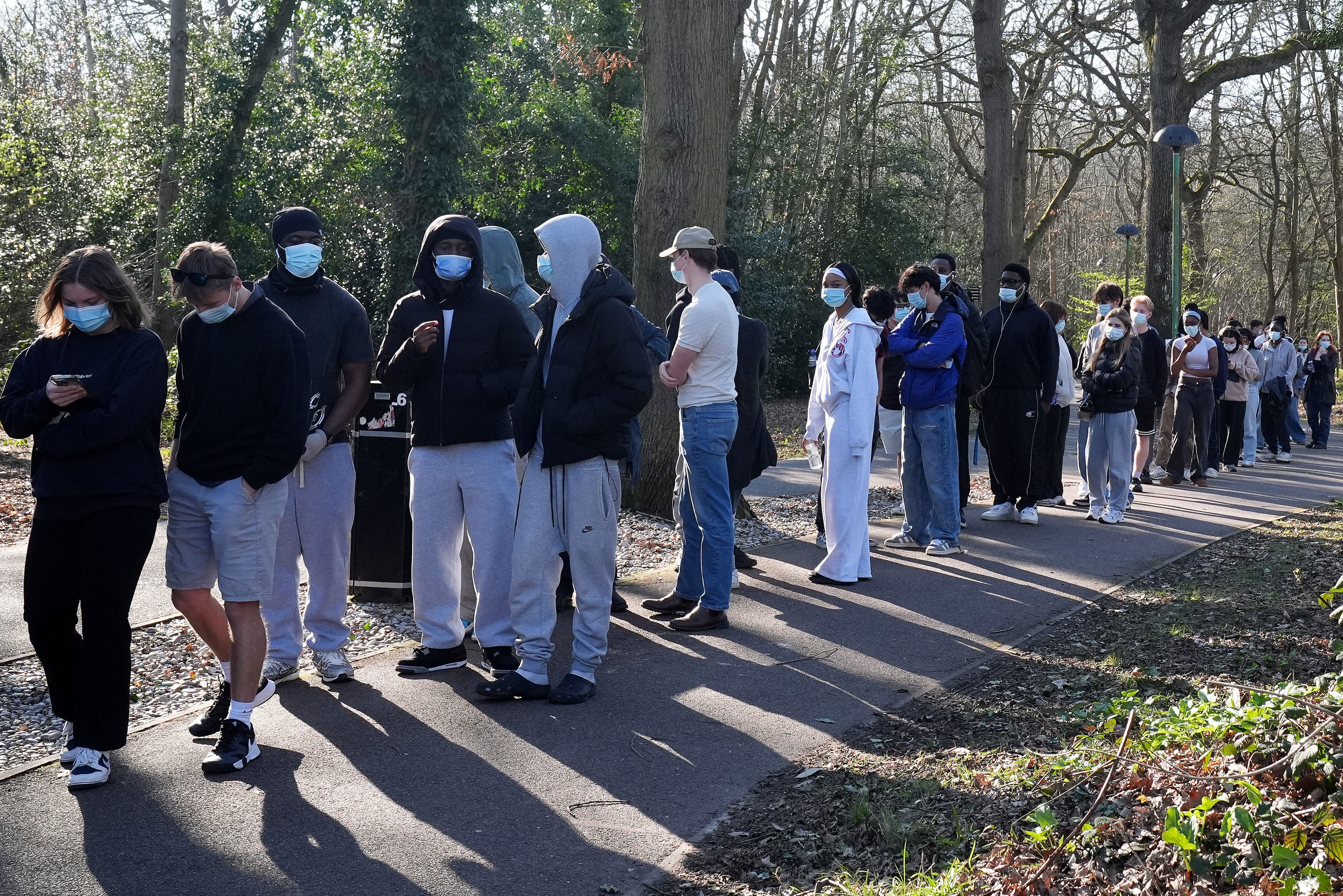
Students at the University of Kent queued around campus on Wednesday to receive vaccinations and antibiotics after one of their peers died earlier this week.
The outbreak has been identified as a known strain of meningitis B, which is typically spread by prolonged and close contact.
LIVE UPDATES: Iran pledges to hit back over gas field attack

The explosive outbreak is believed to have originated at a nightclub in Canterbury.
At least 20 confirmed and suspected cases of the potentially life-threatening virus have been recorded in Kent over the last few days.
Two people have died: a University of Kent student, and a sixth former (high schooler) from nearby Faversham.
At least 11 others have been hospitalised.
The UK Health Security Agency (UKHSA) Chief Executive, Susan Hopkins, told the BBC the organisation is trying to figure out how the virus spread so quickly.
READ MORE: Cheese pulled from shelves at Coles, IGA over undeclared allergen
"We see clusters all the time," Professor Paul Hunter at the Norwich School of Medicine, University of East Anglia told The Guardian.
"What's unusual is the size of this cluster. That's the scary thing."
Vaccinations have been offered to about 5000 students at the University of Kent.
Students told the BBC some of their peers have packed up and fled the city.
Local pharmacies have reportedly started wait lists for locals seeking the meningitis vaccine.
No cases have emerged yet that are not linked to the original cluster in Kent but health workers across England have been warned to look out for signs of infection.
READ MORE: Warning Cyclone Narelle 'may be biggest weather system in living memory'
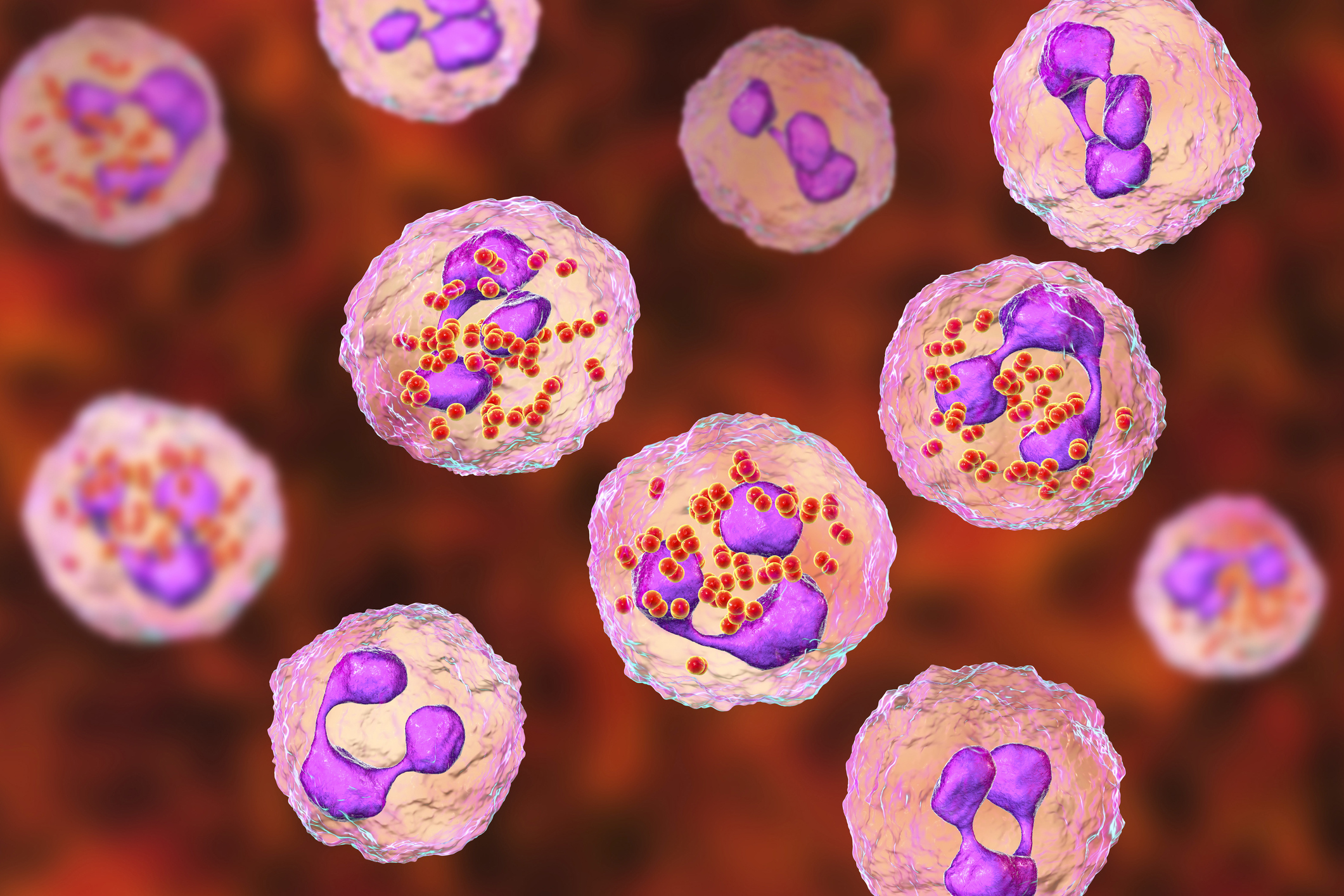
Meningitis is a potentially deadly infection of the protective membranes around the brain and spinal cord.
It's usually caused by a bacterial or viral infection and can spread through sneezing, coughing or kissing.
Symptoms develop suddenly and can include fever, headache, a rash, neck stiffness, light sensitivity, drowsiness and seizures.
It can cause permanent brain and nerve damage, sepsis, or death if not treated quickly with antibiotics.
NEVER MISS A STORY: Get your breaking news and exclusive stories first by following us across all platforms.
- Download the 9NEWS App here via Apple and Google Play
- Make 9News your preferred source on Google by ticking this box here
- Sign up to our breaking newsletter here
