An Australian-led study has discovered that forgetting your dreams after you wake up could be an early indicator of Alzheimer's disease.
The University of New South Wales (UNSW) research involving 1000 adults found possible links between dreamless sleepers and early biological changes associated with the fatal neurological brain disorder.
"Older people who don't recall their dreams may already be showing early signs of Alzheimer's disease, even if their memory still appears normal," Darren Lipnicki, lead author and Research Fellow at UNSW's Centre for Healthy Brain Ageing (CHeBA), said.
LIVE UPDATES: Iran closes Strait of Hormuz again in response to Israeli attacks in Lebanon

New research published in Alzheimer's & Dementia: Diagnosis, Assessment & Disease Monitoring, has also shown that participants who could not remember their dreams experienced cognitive decline at twice the rate of those who could.
The researchers found that being unable to remember your dreams wasn't just a simple case of "forgetting."
It might be an indicator that your brain is changing.
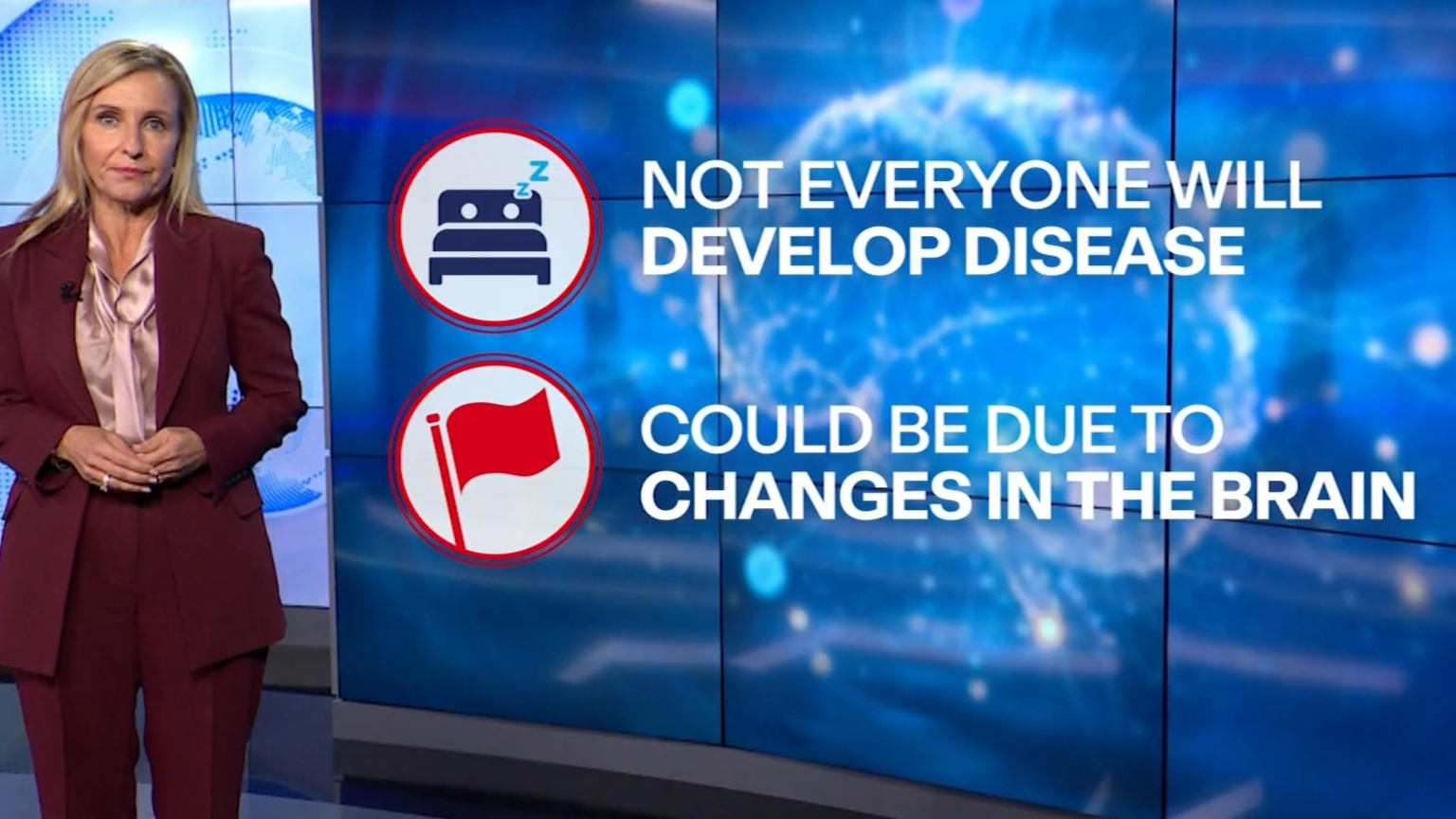
"It may indicate that the brain is producing fewer or less vivid dreams in the first place due to early neurodegenerative changes," Dr Lipnicki said.
"If someone notices they've stopped remembering their dreams later in life, it may be worth paying attention," he added.
Alzheimer's disease has become the second leading cause of death in Australia.
The number of deaths due to dementia more than doubled between 2009 (8500 deaths) and 2023 (17,400 deaths).
The Australian Institute of Health and Welfare (AIHW), estimated 425,000 to over 480,000 Australians are currently living with dementia, with Alzheimer's disease accounting for over 70 per cent of these cases.

Without a medical breakthrough, this number is projected to exceed one million by 2058 to 2065.
"Our findings suggest that changes in this process may be one of the earliest detectable signs of Alzheimer's disease - and a promising target for future research and prevention," senior author and Co-Director of CHeBA Professor Perminder Sachdev said.
This new information highlights the new predictive power of asking about dream recall as a single question medical tool, identifying issues at a low cost and potentially much earlier than possible now.
And it isn't the first time UNSW's Centre for Healthy Brain Ageing has linked dreaming.
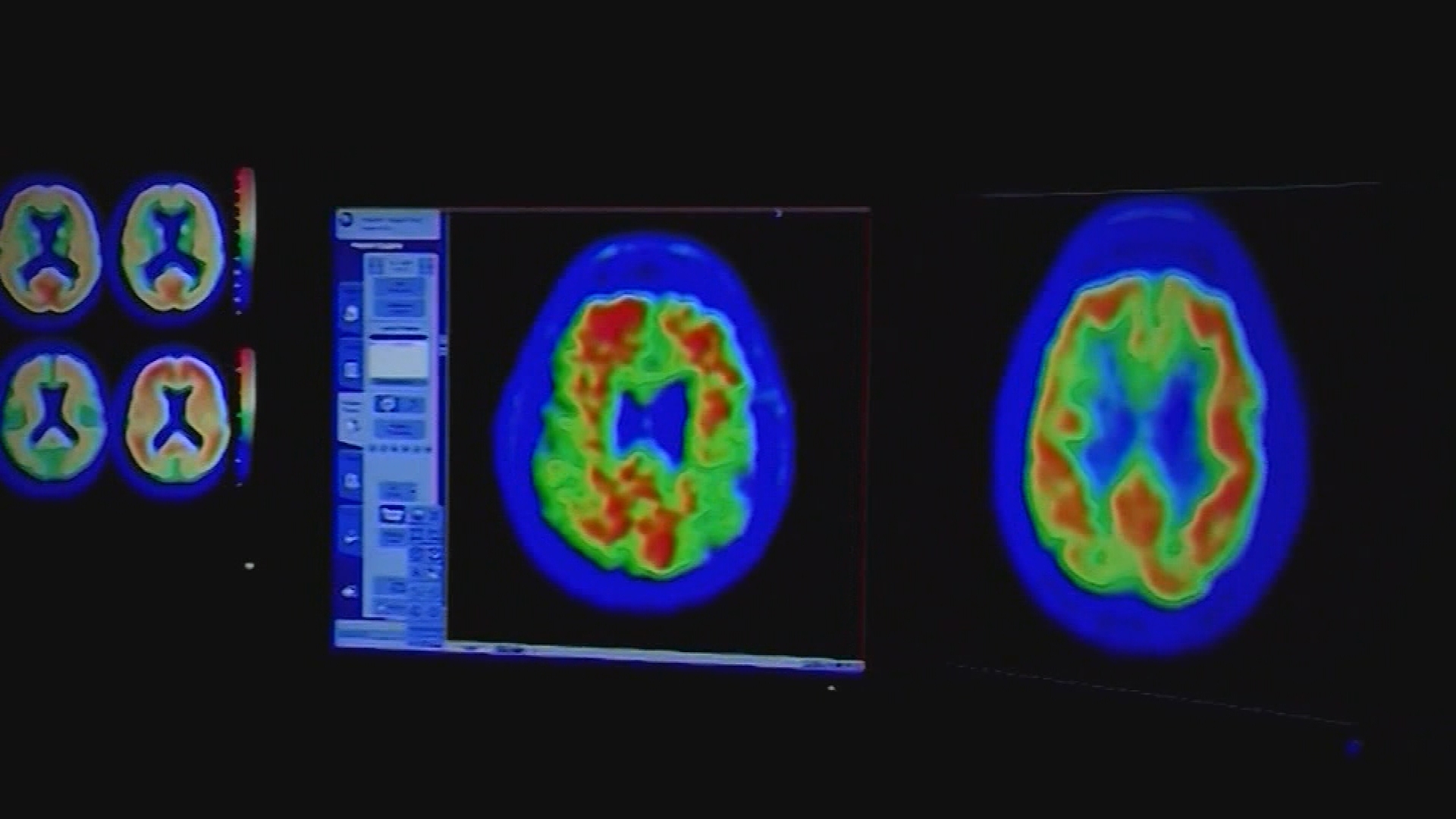
A March 2026 international study also held by UNSW found that older adults with frequent disturbing dreams may face a higher risk of dementia.
"We found the strongest association in people in their 60s, which may suggest that disturbing dreams could be an early marker of dementia risk for some individuals, "Dr Lipnicki said.
"It's important to emphasise that not everyone who experiences disturbing dreams will go on to develop dementia."
NEVER MISS A STORY: Get your breaking news and exclusive stories first by following us across all platforms.
- Download the 9NEWS App here via Apple and Google Play
- Make 9News your preferred source on Google by ticking this box here
- Sign up to our breaking newsletter here
