The partial remains of eight Australian soldiers have been laid to rest in France ahead of ANZAC Day, more than a century on from World War I.
They'd been used for medical research at a museum in the US, which came as a shock to relatives like Olwyn Crimp, whose great-great-uncle was one of the soldiers.
William Alexander Pavey was just 21 years old when he left his life as a Brisbane labourer behind to join the fight on the western front.
READ MORE: PM effectively kills off move to increase taxes on gas exporters
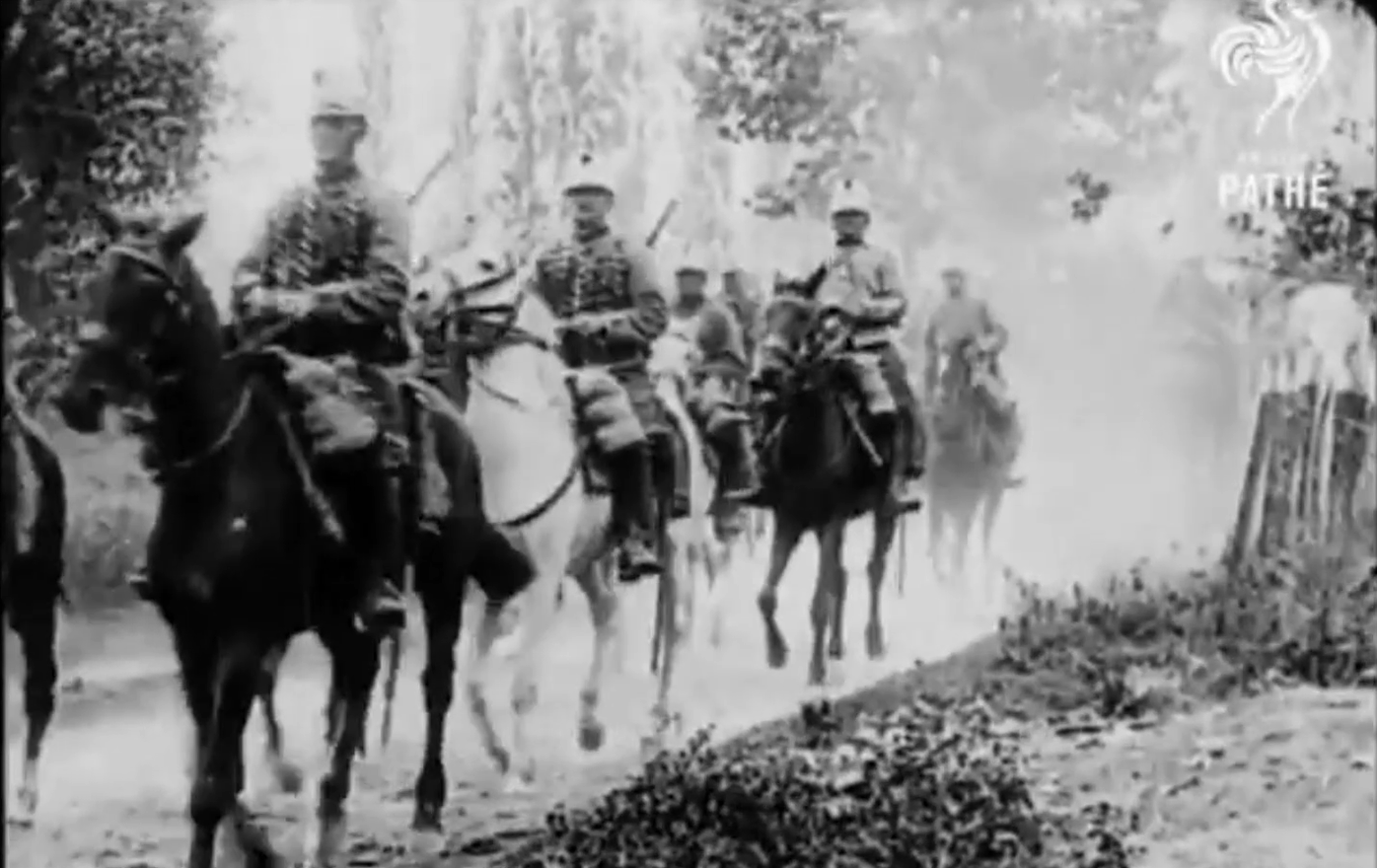
Private Pavey survived almost three years of war in France before he died from gunshot wounds in May 1918.
"He fought right through until he was killed, just before the end of the war," Crimp tells 9News.
"You know, that's a long time to be in the trenches in France."
The brave young ANZAC was among those whose partial remains have recently been returned to his grave.
They had been kept in the US for medical research for more than a century.
"I was pretty uncomfortable with it initially," Crimp said.
"I'm still trying to come to terms with what they might have done. The remains were taken from the hospital from what I can gather."
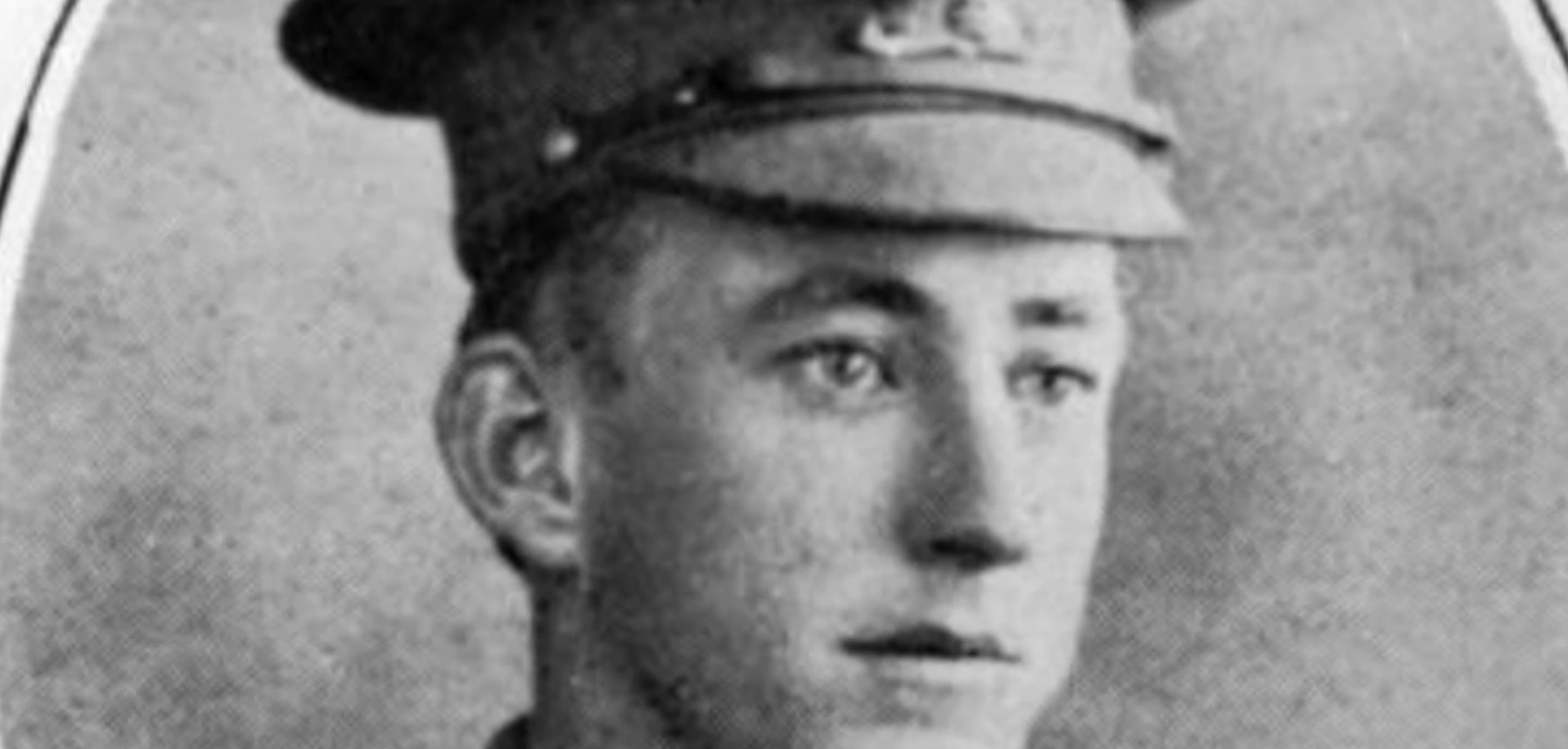
The medical research they underwent would have helped soldiers that came after them, Brenton Philp from the Department of Veterans' Affairs tells 9News.
"It would have absolutely contributed to the survivability and treatment of military wounds and war wounds for others that followed," he said.
"It does seem strange by our standards, but it was common after the first world war."
Seven other Australian soldiers' remains were also handed back.
"We understand that the remains have been treated with great respect and dignity," Philp said.
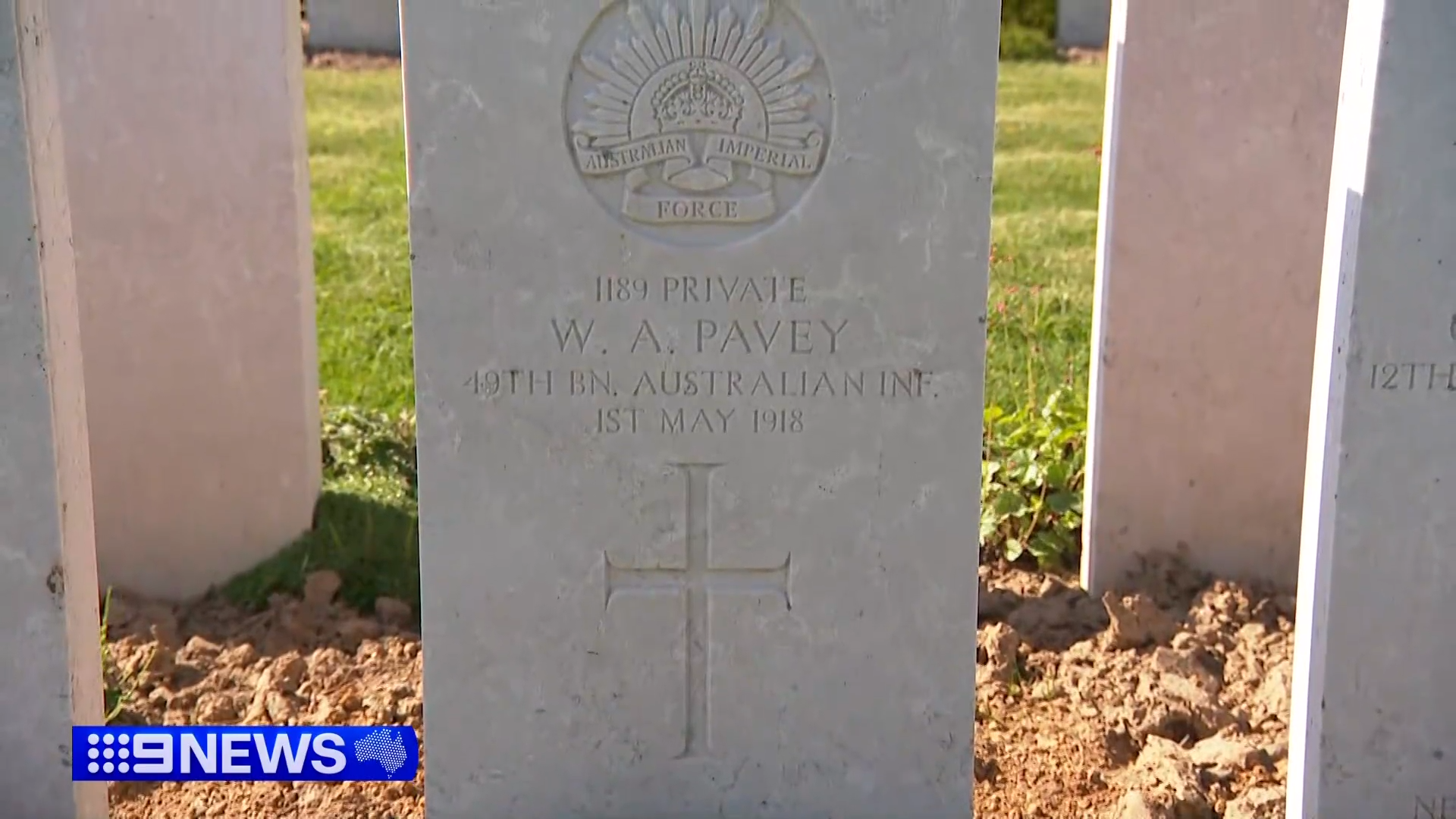
The Commonwealth War Graves Commission completed burial works at Private Pavey's grave and at others in the Mont Huon Military Cemetery ahead of Anzac Day commemorations, as people journey to France to pay their respects.
"We're very proud that the Australian Army was able to be there as part of the reinterment ceremony to ensure that our soldiers are well respected," Philp said.
And the news is comforting for Crimp.
"He wasn't forgotten then and hopefully he won't be forgotten now," she said.
NEVER MISS A STORY: Get your breaking news and exclusive stories first by following us across all platforms.
- Download the 9NEWS App here via Apple and Google Play
- Make 9News your preferred source on Google by ticking this box here
- Sign up to our breaking newsletter here
