There's a horror flu season on the horizon as the new super-K flu strain spreads across Australia, and it may have already claimed several lives.
The fast-moving strain first emerged in the US, where it killed dozens of children before leaping to Australian soil.
The Royal Australian College of GPs (RACGP) has urged Australians to book in their annual flu shot as seasonal influenza and super-K strain infection numbers rise.
LIVE UPDATES: Donald Trump says Iran wants him to 'keep bombing'
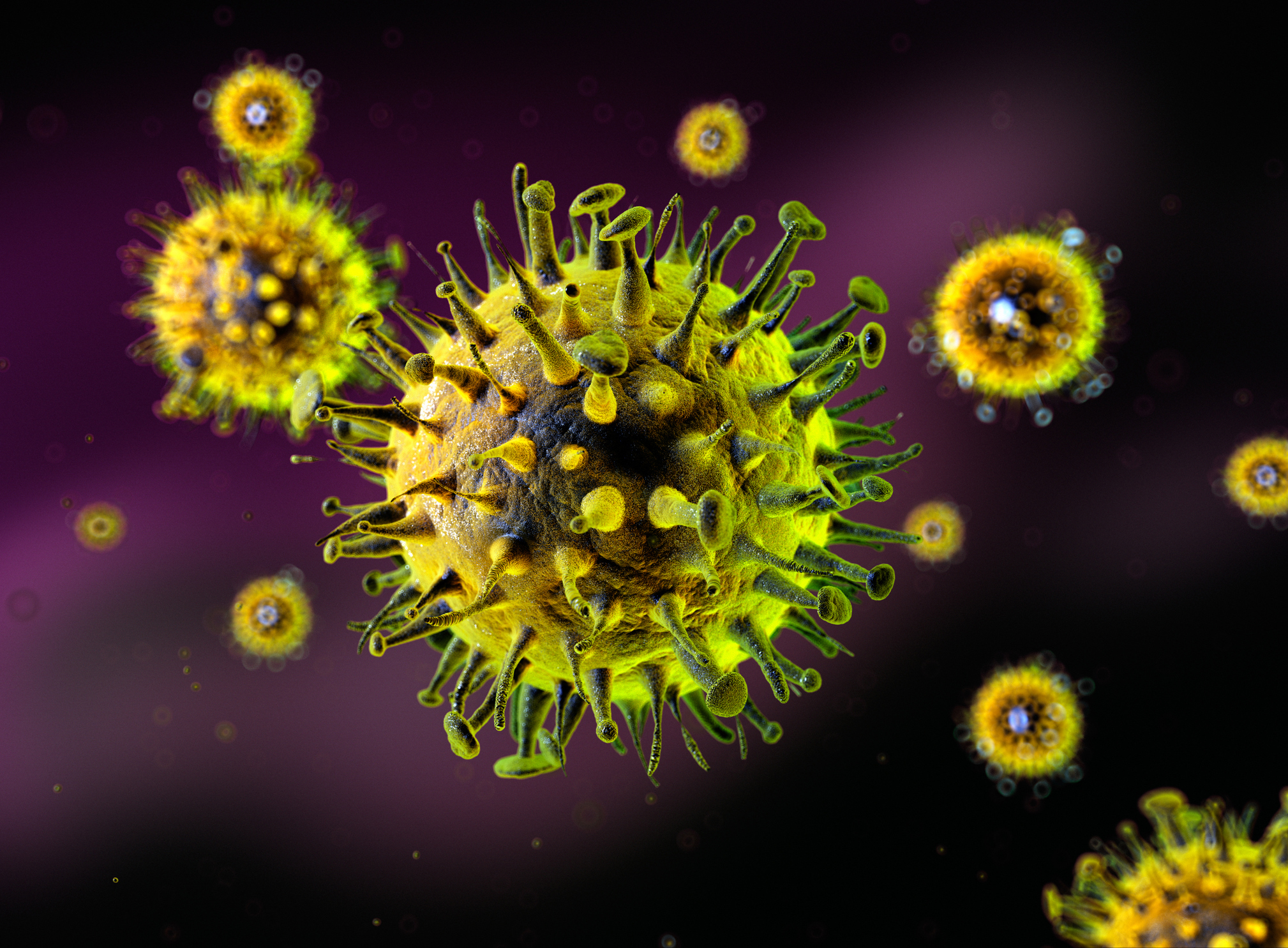
Bupa chief medical officer Dr Nic Woods said super-K has already driven unusually high per-winter flu activity, including a spike in recorded deaths in 2026.
"We cannot afford to be complacent or ignore the warning signs," he said in a statement.
"Super K is spreading earlier and faster than flu strains seen in previous seasons."
Woods said high flu activity combined with low vaccination rates will make this flu season "extremely dangerous and potentially deadly" for high-risk groups, like children and the elderly.
Here's everything you need to know about the new flu strain that experts are so worried about this flu season.
READ MORE: Ben Roberts-Smith arrested as part of war crimes investigation
What are the symptoms of super-K flu?
Though the super-K flu strain has undergone significant mutations, they mostly affect how the virus behaves and spreads, not its symptoms.
That means the symptoms of super-K flu are very similar to typical seasonal influenza symptoms.
Common symptoms include a cough or sore throat, headache, fever or chills, extreme tiredness, and body aches.
Symptoms usually come on suddenly and can worsen rapidly.
READ MORE: Former Olympic cyclist Rohan Dennis accuses media of peddling 'false narrative' after wife's death
How long does the super-K flu last?
The duration of a super-K flu infection can vary, much like a typical seasonal flu.
Some people only experience mild symptoms for a few days, while others may experience symptoms for a week or more.
When am I most contagious with the super-K flu?
You can be contagious before symptoms begin with any flu, including the super-K strain.
Most adults can be contagious from the day before symptoms start and remain contagious for three to five days.
Children tend to remain contagious longer, usually for the first seven to 10 days of their illness.
How bad is the super-K flu strain?
This is a difficult question to answer.
Research currently suggests that the super-K strain spreads very quickly, faster than typical seasonal influenza, which can make it challenging to contain.
However, the super-K strain does not appear cause more severe disease per infection.
That means while you may be more likely to come into contact with the strain this flu season, it is not guaranteed to cause more severe symptoms.
But the CSIRO reported that historically, flu seasons dominated by strains from the H3N2 have been linked to more severe outcomes at the population level.
That's why many scientists and health experts are urging Australians to get vaccinated.
READ MORE: Kittens thrown from moving car in Melbourne
Does the flu shot work against super-K flu?
Because the super-K strain has mutated significantly, the current flu vaccine may not be as effective at preventing super-K infection compared to existing flu strains.
However, the flu shot can still reduce the severity of symptoms.
Early data has shown that you're less likely to need a visit to the emergency department if you catch the super-k strain but have already received the flu shot.
But only one in three Australians were vaccinated against influenza last year.
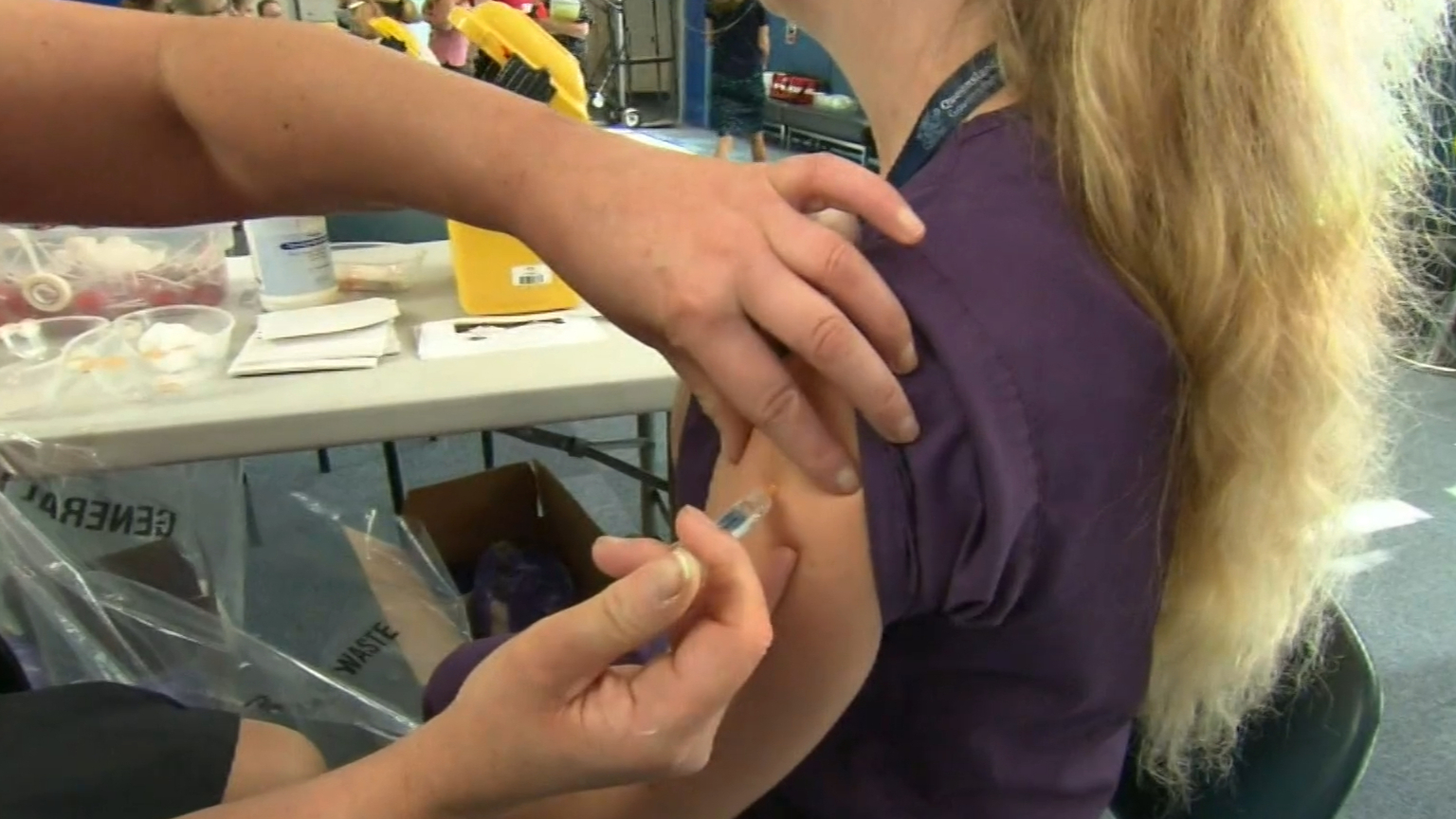
The RACGP, CSIRO, and health organisations are urging Aussies to ensure they get their flu shot this year to better protect themselves and others.
How long should I stay home if I have the flu?
Anyone with the flu, be it super-K or another strain, should stay home and avoid close contact with others until they've recovered.
At a minimum, stay home for at least 24 hours after your fever breaks.
Avoid contact with pregnant women, infants, older people, and anyone with a compromised immune system while contagious.
NEVER MISS A STORY: Get your breaking news and exclusive stories first by following us across all platforms.
- Download the 9NEWS App here via Apple and Google Play
- Make 9News your preferred source on Google by ticking this box here
- Sign up to our breaking newsletter here
